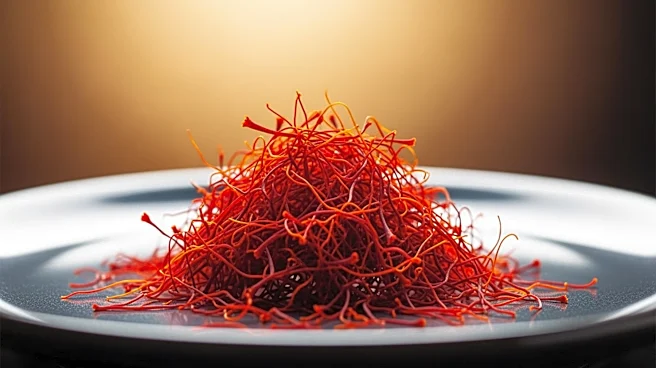







Saffron, the spice derived from the Crocus sativus flower, is renowned for its distinct flavor, aroma, and color. These unique properties are attributed to its complex phytochemistry, which includes a variety of volatile and nonvolatile compounds. This article explores the scientific aspects of saffron, shedding light on the components that make it one of the world's most prized spices.
Phytochemistry and Sensory Properties
Saffron contains approximately 28 volatile and aroma-yielding
compounds, with ketones and aldehydes being the most dominant. The main aroma-active compound is safranal, responsible for saffron's characteristic fragrance. Other significant compounds include 4-ketoisophorone and dihydrooxophorone, which contribute to its unique scent.
Nonvolatile phytochemicals in saffron include carotenoids such as zeaxanthin, lycopene, and various alpha- and beta-carotenes. Crocetin and its glycoside crocein are the most biologically active components, with crocetin being rapidly absorbed due to its smaller size and water solubility. These compounds are responsible for saffron's vibrant yellow-orange color.
The Role of Crocin and Picrocrocin
The yellow-orange hue of saffron is primarily due to alpha-crocin, a trans-crocetin di-(beta-D-gentiobiosyl) ester. This carotenoid pigment can make up more than 10% of dry saffron's mass, making it ideal for coloring water-based and non-fatty foods. Crocins are hydrophilic carotenoids that are either monoglycosyl or diglycosyl polyene esters of crocetin.
Picrocrocin, a bitter glucoside, is responsible for saffron's pungent flavor. It is a union of an aldehyde sub-molecule known as safranal and a carbohydrate. Picrocrocin has insecticidal and pesticidal properties and may comprise up to 4% of dry saffron. When saffron is dried, picrocrocin splits to yield D-glucose and a free safranal molecule, enhancing saffron's aroma.
Storage and Stability
Saffron is highly sensitive to fluctuating pH levels and rapidly breaks down chemically in the presence of light and oxidizing agents. To preserve its quality, saffron must be stored in airtight containers to minimize contact with atmospheric oxygen. While saffron is somewhat resistant to heat, proper storage is essential to maintain its sensory properties.
Understanding the science behind saffron reveals the complexity of its unique properties. From its aroma-active compounds to its vibrant color, saffron's phytochemistry plays a crucial role in its appeal and value. This scientific insight underscores the importance of proper storage and handling to preserve saffron's prized qualities.