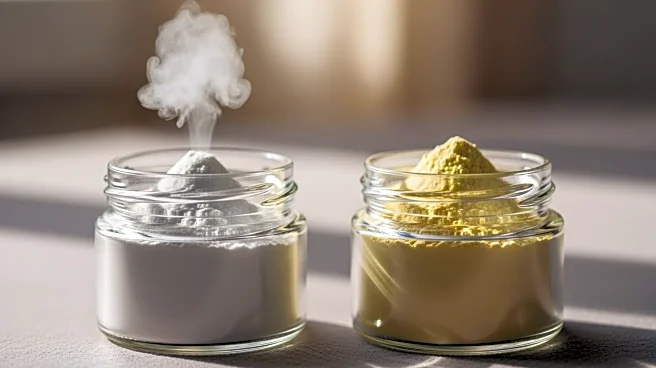




Baby powder has been a staple in infant care for over a century, known for its ability to prevent diaper rash and keep skin dry. However, the formulation of baby powder has undergone significant changes over the years, primarily due to health concerns associated with its ingredients. This article explores the evolution of baby powder from talc-based to corn starch-based formulations.
The Introduction of Talc-Based Baby Powder
The journey of baby powder began in the early 1890s when Frederick
Barnett Kilmer, a scientific director at Johnson & Johnson, introduced talcum powder to alleviate skin irritation. By 1894, Johnson's Baby Powder was being mass-produced, marking a significant milestone in baby care products. Talc, a mineral with excellent moisture-absorbing properties, was the primary ingredient, providing relief from diaper rash and skin irritation.
Talc's astringent properties made it an ideal choice for baby powder, as it helped contract skin tissues and reduce moisture. This formulation quickly gained popularity among parents seeking to keep their babies' skin dry and comfortable.
Health Concerns and the Shift to Corn Starch
Despite its widespread use, talc-based baby powder faced scrutiny due to health concerns. Inhalation of talcum powder particles was linked to respiratory issues, and studies suggested a potential association between talc and ovarian cancer. These concerns prompted a reevaluation of talc as a safe ingredient in baby powder.
In response to these health risks, manufacturers began exploring alternatives to talc. Corn starch emerged as a viable option, offering similar moisture-absorbing properties without the associated health risks. Corn starch particles are larger than talc particles, reducing the likelihood of inhalation and making it a safer choice for both babies and adults.
The Modern Era of Baby Powder
By 2020, Johnson & Johnson had ceased the sale of talc-based baby powder in the United States and Canada, transitioning to a corn starch-based formula. This shift reflects a broader trend in the industry towards safer, more sustainable ingredients in baby care products.
Today, baby powder continues to be a popular choice for preventing diaper rash and keeping skin dry. The evolution from talc to corn starch highlights the industry's commitment to consumer safety and the importance of adapting to new scientific findings.
In conclusion, the history of baby powder is a testament to the ongoing efforts to balance efficacy with safety. As research continues to shed light on the health impacts of various ingredients, the formulation of baby powder will likely continue to evolve, ensuring that it remains a trusted product for generations to come.