


The Presidential Succession Act is a vital component of the United States' framework for ensuring continuity of government. However, it has not been without its share of controversies and debates. From constitutional concerns to the practical implications of its provisions, the act has been the subject of scrutiny and calls for reform.
Constitutional Concerns
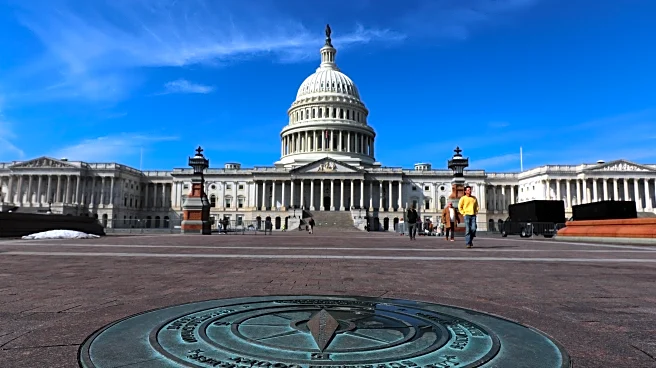
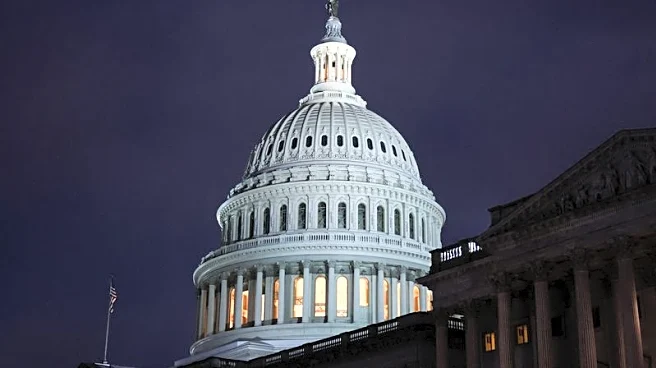
One of the primary controversies surrounding the Presidential Succession Act is the inclusion of congressional leaders
in the line of succession. The act places the speaker of the House and the president pro tempore of the Senate immediately after the vice president. However, some legal scholars argue that this arrangement may be unconstitutional. The Constitution's Succession Clause specifies that only an "Officer" may be designated as a presidential successor, and many interpret this to mean "Officer of the United States," a term that traditionally excludes members of Congress.
This interpretation is supported by historical figures such as James Madison, who believed that the term "Officer" referred to executive branch officials. The inclusion of legislative leaders in the line of succession raises questions about the separation of powers and whether Congress should have a direct role in the executive branch's leadership.
The 'Bumping' Provision
Another contentious aspect of the Presidential Succession Act is the "bumping" provision. This clause allows a higher-ranking official to replace a lower-ranking one who has assumed the presidency due to a vacancy. While the intention behind this provision is to ensure that the most qualified and electorally legitimate individuals lead the nation, it has been criticized for potentially causing instability during a national crisis.
Critics argue that the "bumping" provision could lead to a game of musical chairs with the presidency, creating confusion and undermining public confidence in the government's leadership. The possibility of multiple acting presidents in a short period could weaken the legitimacy of successors and complicate the nation's response to emergencies.
Practical Implications and Modern Challenges
The practical implications of the Presidential Succession Act have also been a source of debate. The act's current order of succession places Cabinet members in the line based on the creation of their departments, which may not necessarily reflect the skills or capacities needed to lead the nation during a crisis. Some have suggested that the line of succession should be reordered to prioritize officials with relevant expertise in national security and crisis management.
The act's effectiveness was put to the test during the September 11, 2001, terrorist attacks, when the Secret Service implemented its continuity of government plan. This event highlighted the importance of having a clear and functional line of succession to ensure the nation's leadership remains intact during emergencies. However, it also underscored the need for ongoing evaluation and potential reform of the act to address modern challenges.
In conclusion, the Presidential Succession Act is a critical component of the United States' system for maintaining government continuity. However, its provisions have sparked debates and controversies that continue to this day. Constitutional concerns, the "bumping" provision, and practical implications all contribute to the ongoing discussion about the act's effectiveness and the need for potential reforms. As the nation faces new challenges, it is essential to ensure that the Presidential Succession Act remains a robust and reliable framework for leadership continuity.