



Data acquisition systems are integral to monitoring and controlling physical phenomena in various industries. This article explores the components and functionality of modern data acquisition systems, highlighting how they convert real-world signals into digital data for analysis.
Core Components
A complete data acquisition system consists of several key components that work together to measure and control physical characteristics. The first component is the sensor,
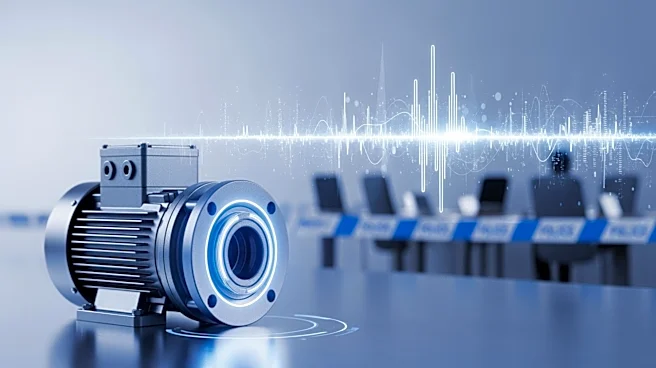
which converts physical parameters such as temperature, vibration, and light intensity into electrical signals. These sensors are crucial for capturing accurate data from the environment.
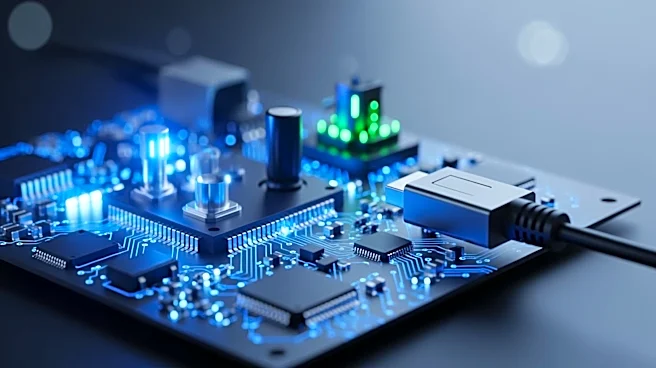
Signal conditioning circuitry is another essential component, responsible for converting sensor signals into a form suitable for digital conversion. This process may involve filtering, shaping, or amplifying the signal to ensure compatibility with the DAQ hardware. Analog-to-digital converters then transform these conditioned signals into digital values, enabling further processing and analysis.
Software Integration
Data acquisition applications are typically controlled by software programs developed using various programming languages, including C, C++, Java, and LabVIEW. These programs manage the data collection process, allowing users to configure and control the system according to their specific needs.
Specialized DAQ software may be delivered with the hardware, providing tools for building large-scale data acquisition systems. These software packages often include features for data logging, real-time monitoring, and analysis, making them indispensable for industries that rely on precise data collection.
Advanced Features
Modern data acquisition systems offer advanced features that enhance their functionality and adaptability. Open-source software packages provide tools for acquiring data from specific hardware, allowing for customization and flexibility in scientific experiments. These packages are particularly valuable in fields where complex data collection is required.
Wireless technologies, such as Bluetooth, have also been integrated into data acquisition systems, enabling real-time data streaming and remote monitoring. This advancement allows for greater mobility and accessibility, making it easier to collect and analyze data from various locations.
The functionality of data acquisition systems continues to expand, driven by technological advancements and the growing demand for accurate data collection. As industries and research fields become increasingly reliant on data-driven insights, the components and functionality of data acquisition systems remain crucial in shaping the future of technology and innovation.