
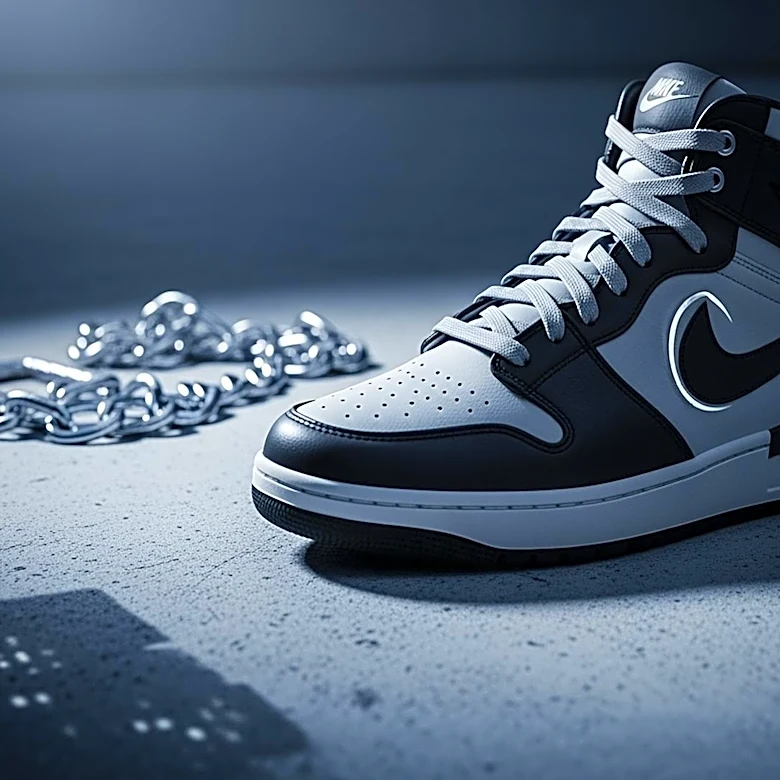




Streetwear, a style of casual clothing, has undergone a remarkable transformation since its inception. Emerging in the 1990s, streetwear was initially a blend of hip-hop, skate, and sportswear elements. Over the years, it has evolved into a global phenomenon, influencing high fashion and becoming a staple in the wardrobes of many. This article explores the journey of streetwear from its subcultural roots to its current status as a major player in the fashion industry.
Origins and Early Influences
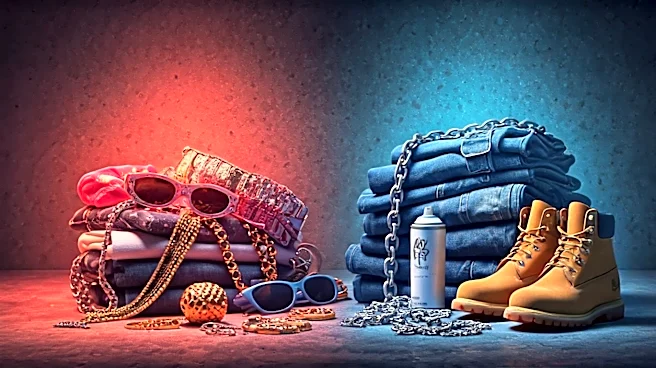
Streetwear's origins can be traced back to the late 1970s and early 1980s, where it emerged from the fusion of African-American and Latino hip-hop fashion in New York with elements of Californian surf culture. This unique blend of styles laid the foundation for what would become a defining fashion movement. Early streetwear also drew inspiration from the do-it-yourself aesthetic of punk, Japanese street fashion, and established sportswear brands like Adidas and Fila.
In the 1980s, designer Dapper Dan in Harlem, New York, played a pivotal role in shaping streetwear aesthetics. His boutique offered custom designs that combined luxury branding with street style, popularizing logo-centered fashion. Similarly, surfboard designer Shawn Stussy began selling printed T-shirts featuring his signature, which became a hallmark of streetwear's focus on exclusivity and limited edition releases.
Streetwear's Rise to Prominence
The 1990s marked a significant turning point for streetwear as it began to intersect with mainstream culture. Record labels associated with popular hip-hop acts started selling branded merchandise, further cementing streetwear's place in the fashion landscape. Influences from skateboarding and gangsta rap also contributed to its growing popularity.
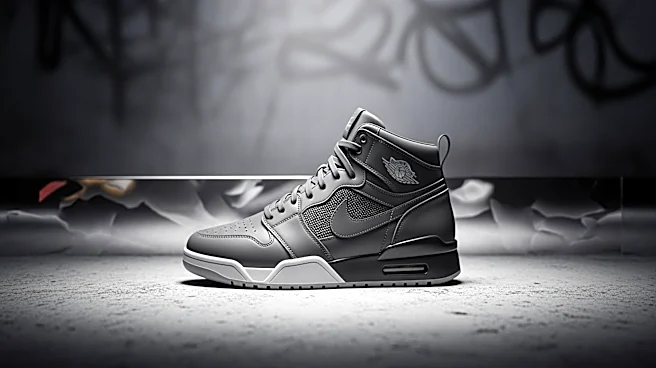
During this time, professional American sports franchises had a notable impact on streetwear, with oversized team jerseys and caps becoming iconic pieces. The launch of streetwear brands by music industry figures, such as Russell Simmons' Phat Farm and Jay-Z's Rocawear, further propelled streetwear into the spotlight.
Streetwear Meets High Fashion
In the 21st century, streetwear's influence expanded beyond its subcultural roots, intersecting with haute couture. Luxury fashion houses began adopting streetwear elements, while streetwear brands incorporated high fashion aspects like runway presentations and designer collaborations. Notable collaborations, such as Supreme x Louis Vuitton and A Bathing Ape x Comme des Garçons, exemplify this fusion.
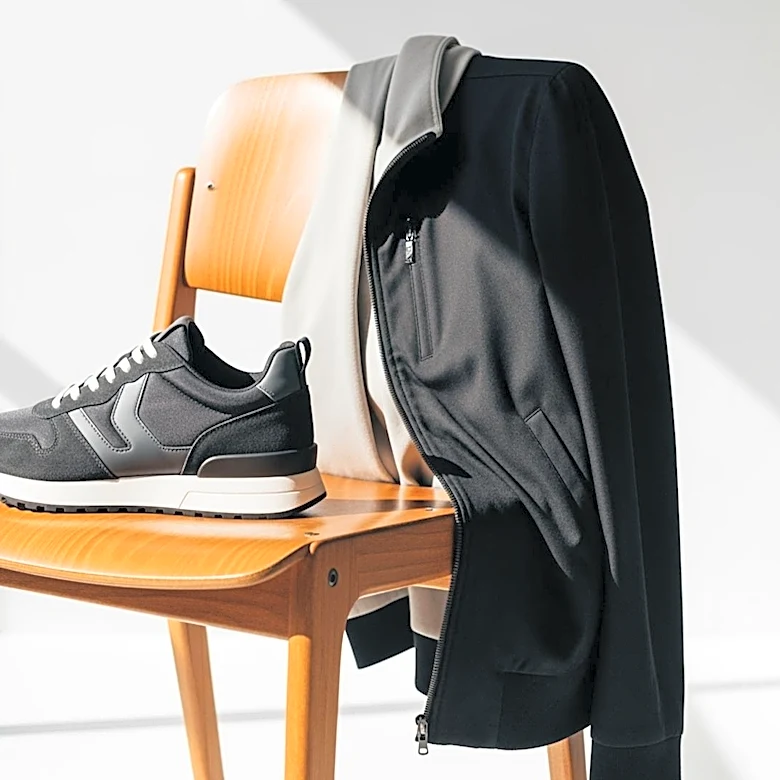
Designers like Virgil Abloh and Raf Simons have played crucial roles in bridging the gap between streetwear and high fashion. Their work has influenced hip-hop and popular culture, further solidifying streetwear's place in the fashion world. Today, streetwear continues to evolve, with its impact felt across various fashion sectors, from luxury sportswear to everyday casual wear.