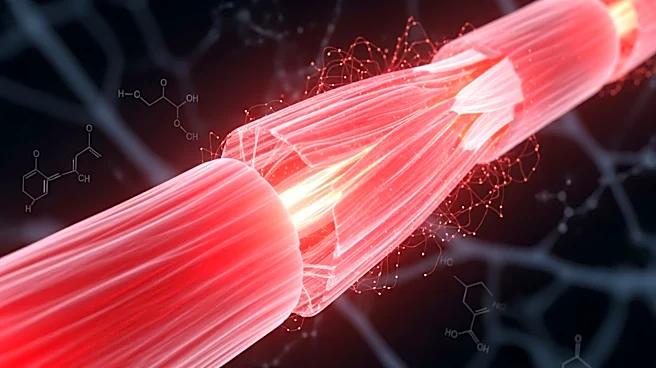





Aerobic metabolism is a highly efficient process that allows organisms to convert glucose into energy. This process is more efficient than anaerobic metabolism, producing significantly more ATP per glucose molecule. Aerobic metabolism involves several key stages, including glycolysis, the Krebs cycle, and oxidative phosphorylation. Oxygen plays a crucial role in this process, acting as the final electron acceptor. Understanding the efficiency and mechanisms
of aerobic metabolism provides insight into how organisms sustain energy for growth, reproduction, and maintenance.
The Stages of Aerobic Metabolism
Aerobic metabolism begins with glycolysis, a process that breaks down glucose into pyruvate. This initial stage occurs in the cytosol of cells and results in the production of a small amount of ATP and NADH. The pyruvate produced then enters the mitochondria, where it is further processed in the Krebs cycle. The Krebs cycle, also known as the citric acid cycle, is a series of chemical reactions that generate additional NADH and FADH2, which are crucial for the next stage of aerobic metabolism.
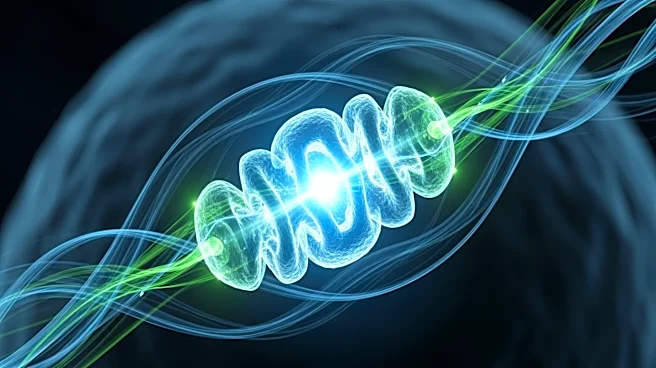
Following the Krebs cycle, the electron transport chain and oxidative phosphorylation take place. This stage occurs in the inner mitochondrial membrane, where electrons from NADH and FADH2 are transferred through a series of protein complexes. As electrons move through the chain, protons are pumped across the membrane, creating a gradient. This gradient drives the synthesis of ATP through ATP synthase, a process known as oxidative phosphorylation. Oxygen is essential here, as it acts as the final electron acceptor, forming water and allowing the process to continue.
The Role of Oxygen in Aerobic Metabolism
Oxygen is a critical component of aerobic metabolism, serving as the final electron acceptor in the electron transport chain. Without oxygen, the electron transport chain would halt, and ATP production would be severely limited. This is why aerobic metabolism is more efficient than anaerobic processes, which do not rely on oxygen and produce less ATP. The presence of oxygen allows for the complete oxidation of glucose, maximizing energy extraction and supporting sustained cellular activities.
In addition to its role in ATP production, oxygen also helps to prevent the accumulation of potentially harmful byproducts. During aerobic metabolism, reactive oxygen species can form, which are neutralized by antioxidant systems within the cell. This balance ensures that cells can efficiently produce energy while minimizing damage from oxidative stress.
The Importance of Aerobic Metabolism
Aerobic metabolism is vital for the survival and function of many organisms. It provides the energy needed for various cellular processes, including growth, reproduction, and maintenance of cellular structures. The efficiency of aerobic metabolism allows organisms to thrive in environments where oxygen is available, supporting complex life forms and enabling higher levels of activity.
Understanding aerobic metabolism also has implications for health and disease. Disruptions in this process can lead to metabolic disorders, highlighting the importance of maintaining proper oxygen levels and metabolic function. By studying aerobic metabolism, researchers can develop strategies to improve energy production and address metabolic diseases.