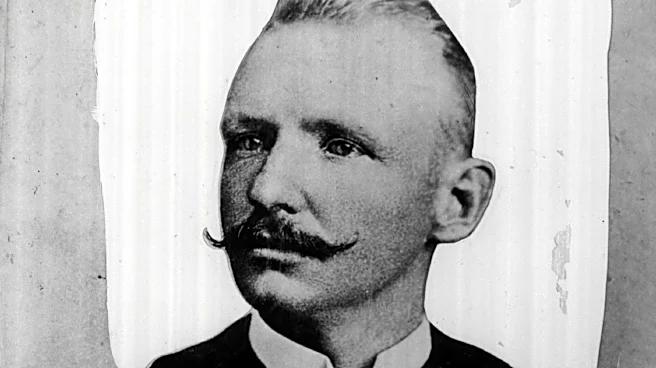

Sam Jethroe, known as "the Jet" for his incredible speed, was a pivotal figure in the integration of Major League Baseball. As the first Black player for the Boston Braves, Jethroe's career marked a significant
moment in baseball history. His journey from the Negro leagues to the majors not only showcased his talent but also highlighted the challenges and triumphs of breaking racial barriers in sports.
Early Career and Transition to the Majors
Sam Jethroe began his professional baseball career in the Negro leagues, playing for the Cincinnati & Cleveland Buckeyes. During his time there, he won two batting titles and helped his team secure two pennants and the 1945 Negro World Series title. His impressive performance caught the attention of Major League Baseball scouts, especially after Jackie Robinson broke the color line in 1947.
In 1948, Jethroe was acquired by the Brooklyn Dodgers' general manager, Branch Rickey, for $5,000. He played for the Dodgers' Montreal Royals, a Triple-A minor league team, where he continued to excel. In 1949, he led the International League with 89 stolen bases and scored 154 runs, proving his readiness for the major leagues.
Major League Debut and Achievements
Jethroe made his major league debut with the Boston Braves on April 18, 1950, becoming the first Black player in the team's history. He made an immediate impact, collecting two hits, including a home run, in his first game. That year, he was named the National League's Rookie of the Year, hitting .273 with 100 runs, 18 home runs, and 58 RBIs. His 35 stolen bases led the league, a feat he repeated in 1951.
Despite his success, Jethroe faced challenges, including rumors about his age and vision problems. His defensive skills were also questioned, as he led the league in errors for three consecutive seasons. Nevertheless, his speed and offensive contributions made him a valuable player for the Braves.
Legacy and Impact
Sam Jethroe's career in Major League Baseball was relatively short, but his impact was significant. He paved the way for future generations of Black athletes in the sport. After his major league career ended, Jethroe continued to play in the minor leagues, maintaining his status as a top performer.
Jethroe's legacy extends beyond his on-field achievements. He was a symbol of perseverance and determination, overcoming racial barriers to succeed at the highest level of baseball. His story is a testament to the progress made in sports and society, and his contributions to the game continue to be remembered and celebrated.