






The 1998 FIFA World Cup was a landmark event for France, not only in terms of sports but also in its cultural and national identity. Hosted by France, the tournament was a celebration of football that brought together 32 teams from around the world. It was a moment of triumph for the host nation, culminating in a historic victory that left a lasting legacy on French society.
The Road to Hosting the World Cup
France's journey to hosting the 1998 FIFA World Cup began with a successful
bid in 1992, beating Morocco to become the host nation. This decision marked the second time France would host the World Cup, the first being in 1938. The tournament was expanded to include 32 teams, a first in World Cup history, allowing for a more diverse and competitive event.
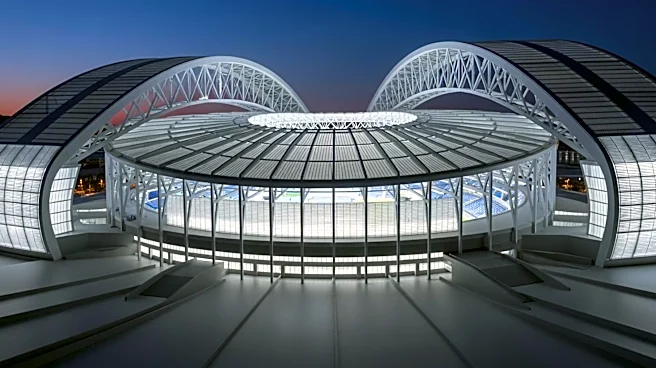
The Stade de France, built specifically for the World Cup, became the centerpiece of the tournament. Its construction was a significant undertaking, reflecting France's ambition to showcase its ability to host a world-class event. The stadium's design and capacity made it an ideal venue for the opening match and the final, setting the stage for unforgettable moments in football history.
A Nation United by Victory
The 1998 World Cup was a unifying event for France, bringing together people from all walks of life to celebrate their national team. The French squad, led by coach Aimé Jacquet and featuring stars like Zinedine Zidane, captivated the nation with their skill and determination. Their journey to the final was marked by impressive victories over teams like Italy and Croatia.
The final match against Brazil was held at the Stade de France, where France emerged victorious with a 3-0 win. Zidane's two goals in the first half and Emmanuel Petit's late strike secured France's first World Cup title. The victory was celebrated by millions across the country, with fans flooding the streets of Paris and other cities in jubilant celebration.
The Legacy of 1998
The impact of the 1998 World Cup on France extended beyond the realm of sports. It fostered a sense of national pride and unity, highlighting the country's multicultural identity. The success of the French team, composed of players from diverse backgrounds, was seen as a reflection of France's social fabric.
Economically, the tournament boosted tourism and infrastructure development, particularly in the Saint-Denis area where the Stade de France is located. The World Cup also set a precedent for future sporting events in France, including the 2024 Summer Olympics.
The 1998 FIFA World Cup remains a defining moment in French history, remembered not only for the triumph on the field but also for its broader cultural and social impact. It stands as a testament to the power of sports to unite and inspire a nation.