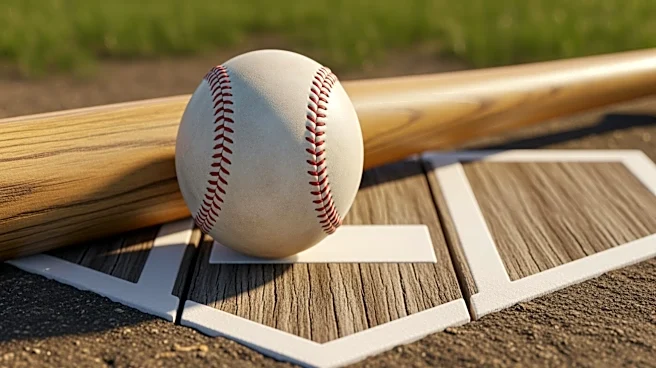

The Detroit Tigers embarked on their first season in Major League Baseball in 1901, marking a significant milestone in the team's history. As a charter member of the newly formed American League, the Tigers quickly
established themselves as a competitive team. This article delves into the highlights and challenges of the Tigers' inaugural major league season, providing a glimpse into the early days of one of baseball's storied franchises.
The Formation of the American League
The American League was originally formed as the minor-league Western League, of which the Detroit Tigers were a charter member. In 1901, the league declared itself a major league, openly competing with the National League for players and fans. This bold move set the stage for the Tigers' entry into Major League Baseball. The Tigers played most of their home games at Bennett Park, with Sunday games held at Burns Park due to Detroit's blue laws, which prohibited certain activities on Sundays.
The Tigers' inclusion in the American League was part of a broader effort to establish a new major league that could rival the National League. The league's founders, including Ban Johnson, sought to create a more organized and profitable league that would appeal to fans and players alike. The Tigers' participation in this new league was a testament to their ambition and the growing popularity of baseball in Detroit.
Key Players and Performances
The 1901 Detroit Tigers boasted a roster of talented players who contributed to the team's success. Roscoe Miller emerged as a standout pitcher, leading the team with 23 wins and becoming the Tigers' first 20-game winner. His performance was instrumental in the Tigers finishing third in the American League standings. Joe Yeager also made a significant impact, posting a 2.61 ERA, which was the second-best in the league behind the legendary Cy Young.
Offensively, the Tigers were led by shortstop Kid Elberfeld and center fielder Jimmy Barrett. Elberfeld posted a .308 batting average, while Barrett scored 110 runs with a .293 average. Despite their efforts, the Tigers' offense ranked fifth among the eight teams in the league, highlighting the challenges they faced in their inaugural season.
The Tigers' Legacy Begins
The Tigers' first major league season laid the foundation for the team's future success. Their third-place finish in the American League was a promising start for a team that would go on to become one of baseball's most storied franchises. The 1901 season was not only a milestone for the Tigers but also for the city of Detroit, as it marked the beginning of a long and enduring relationship between the team and its fans.
As the Tigers continued to build on their early success, they would become a symbol of pride for Detroit, representing the city's resilience and passion for baseball. The 1901 season was just the beginning of a journey that would see the Tigers achieve great heights in the years to come.