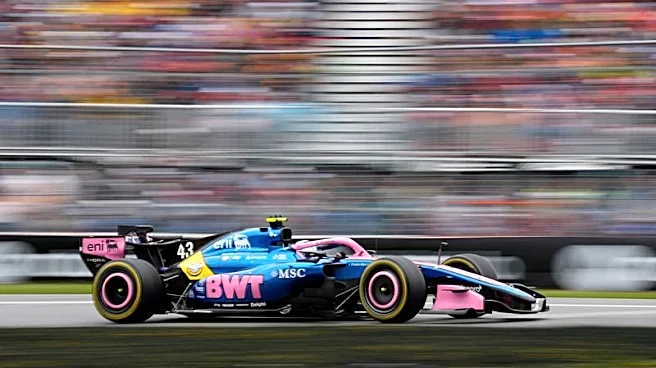






Formula One racing has seen significant changes over the decades, and practice sessions are no exception. These sessions have evolved from simple track familiarization exercises to complex, data-driven operations that are crucial to a team's success. Understanding this evolution provides insight into the increasing sophistication of the sport and the strategic importance of practice sessions.
Early Days of Practice Sessions
In the early years of Formula One, practice sessions were
relatively straightforward. They primarily served as an opportunity for drivers to familiarize themselves with the circuit. Teams would use these sessions to make basic adjustments to the car, but the focus was largely on driver acclimatization.
As the sport grew in popularity and complexity, so did the practice sessions. Teams began to realize the potential of these sessions for testing new parts and configurations. This shift marked the beginning of a more strategic approach to practice, where data collection and analysis started to play a more significant role.
The Impact of Technological Advancements
The introduction of advanced technology in Formula One has had a profound impact on practice sessions. With the advent of telemetry and sophisticated data analysis tools, teams can now gather and process vast amounts of information during practice. This data-driven approach allows teams to make precise adjustments to car setup, improving performance and reliability.
The ban on in-season testing in 2010 further increased the importance of practice sessions. With limited opportunities to test new parts during the season, teams rely heavily on practice sessions to evaluate upgrades and make strategic decisions. This change has made practice sessions a critical component of a team's race weekend strategy.
Modern Practice Sessions
Today, practice sessions are a highly organized and strategic part of Formula One racing. Teams meticulously plan their practice programs, focusing on specific areas such as aerodynamics, tire performance, and fuel efficiency. The sessions are used to simulate race conditions, allowing teams to fine-tune their strategies and setups.
The evolution of practice sessions reflects the broader changes in Formula One, where technology and strategy have become as important as driver skill. As the sport continues to evolve, practice sessions will likely remain a key area of focus for teams looking to gain a competitive edge.
In conclusion, the evolution of practice sessions in Formula One highlights the sport's increasing complexity and the critical role these sessions play in a team's success. From simple track familiarization to data-driven strategy development, practice sessions have become an integral part of the Formula One experience.