




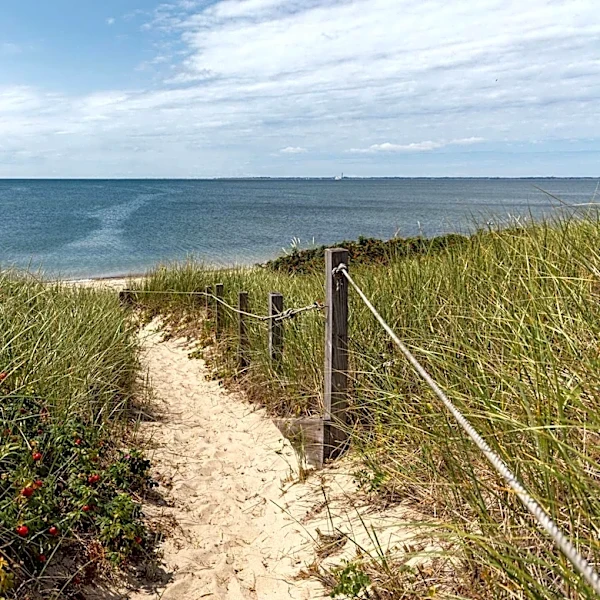




Cape Cod, a peninsula in Massachusetts, has a rich history that spans centuries. From its early exploration by European settlers to its development as a popular tourist destination, Cape Cod has undergone significant changes. This article delves into the historical evolution of Cape Cod, highlighting key milestones and transformations that have shaped its identity.
Early Exploration and Settlement
Cape Cod's history dates back to the early 17th century when European explorers first
set foot on its shores. The name "Cape Cod" was coined in 1602 by Bartholomew Gosnold, making it one of the oldest English place-names in the United States. The peninsula was initially explored by Norse voyagers, although their presence remains disputed among historians.
In 1620, the Pilgrims arrived at Cape Cod, marking the beginning of European settlement. They established the Plymouth Colony and had their first encounter with the native Wampanoag people. The Wampanoag played a crucial role in helping the Pilgrims survive the harsh conditions of their new home.
Development and Growth
Throughout the 18th and 19th centuries, Cape Cod saw gradual development. The Cape's towns, such as Barnstable, Sandwich, and Yarmouth, were among the first to be settled by Puritan colonists. The Cape Cod Canal, completed in 1916, was a significant milestone that connected Cape Cod Bay to Buzzards Bay, shortening the trade route between New York and Boston.
The Cape's economy was primarily driven by fishing and whaling due to its geographic position. However, the early Industrial Revolution largely bypassed Cape Cod due to a lack of significant waterpower. By the mid-20th century, the Cape's forests had recovered from earlier deforestation, and tourism began to flourish.
Modern Era and Tourism
Cape Cod's transformation into a summer haven began at the end of the 19th century. Improved rail transportation made the Upper Cape accessible to Bostonians, and the Northeastern mercantile elite built large summer cottages along Buzzards Bay. The Cape Cod National Seashore, established in 1961, preserved a significant portion of the coastline from private development.
Today, Cape Cod is a popular tourist destination known for its beaches, outdoor activities, and cultural attractions. The Cape Cod Baseball League, established in 1923, remains a beloved tradition, showcasing the talents of collegiate players each summer. Cape Cod's rich history and natural beauty continue to attract visitors from around the world.