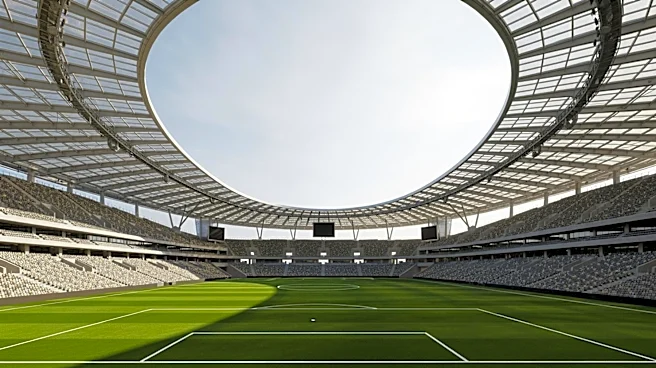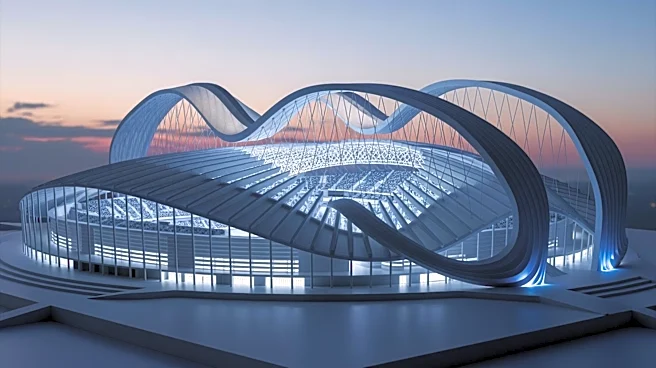



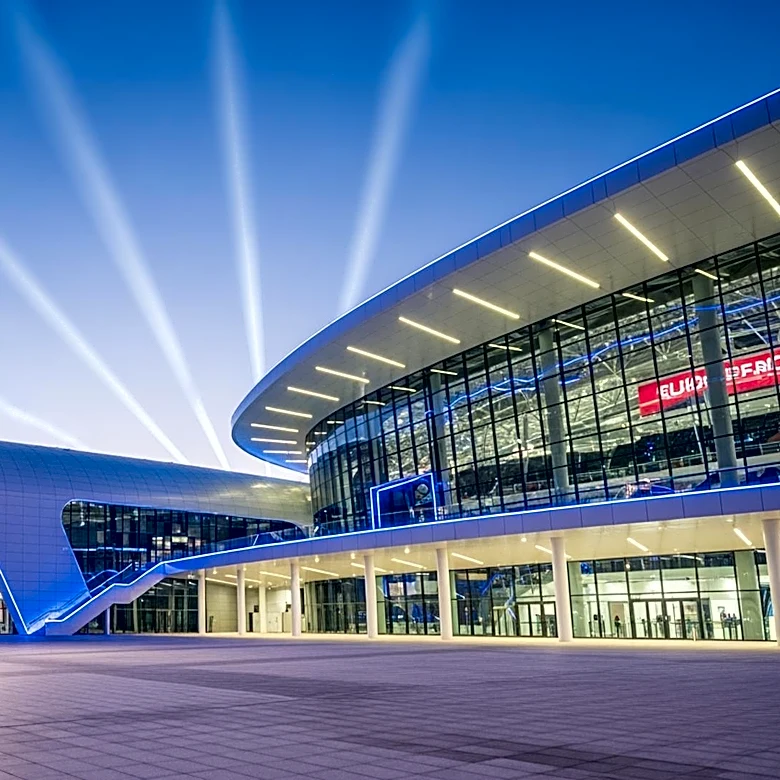
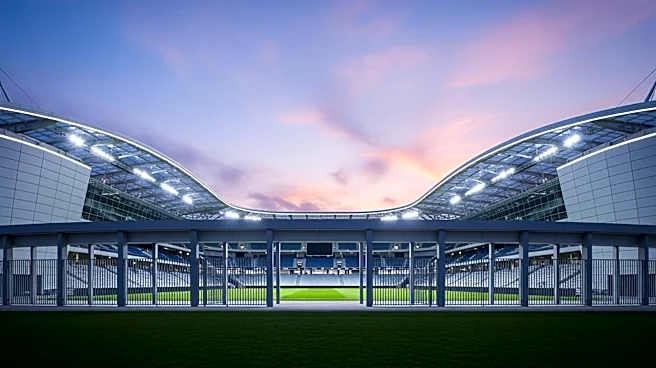


Arena das Dunas, located in Natal, Brazil, is a striking example of modern stadium architecture. Designed by the renowned sports architect Christopher Lee of Populous, this stadium stands as a testament to innovative design and engineering. With a seating capacity of 31,375, it was a key venue during the 2014 FIFA World Cup, temporarily expanding to accommodate 42,000 spectators. This article delves into the architectural features and construction
journey of this iconic stadium.
Design and Concept
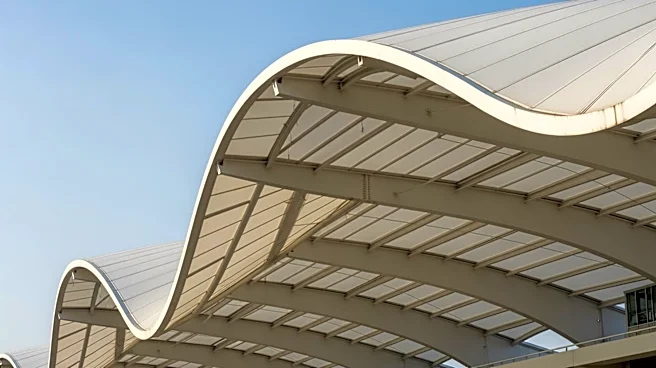
The design of Arena das Dunas is a masterpiece of modern architecture. Christopher Lee, a prominent figure in sports architecture, led the design efforts under the banner of Populous, a global architectural firm known for its work on sports facilities. The stadium's name, which translates to "Dunes Arena," is inspired by the natural sand dunes of the region, and this theme is reflected in its undulating roof structure. The roof's design not only provides aesthetic appeal but also serves functional purposes, such as enhancing acoustics and providing shade to spectators.
The stadium's location was strategically chosen to replace the old Machadão stadium, which was demolished in 2011. This decision was part of a broader urban development plan that included the construction of a shopping center, commercial buildings, international-standard hotels, and an artificial lake around the stadium. These developments aimed to boost the local economy and enhance the area's appeal as a tourist destination.
Construction and Features
Construction of Arena das Dunas began in 2011 and was completed in 2013, with the stadium officially opening on January 26, 2014. The project was a significant investment, costing approximately R$ 400 million. The stadium's construction was managed by OAS Arenas, which also operates the facility. The field size is a standard 105 x 68 meters, suitable for international football matches.
One of the stadium's notable features is its 39 executive suites, which offer premium viewing experiences. The stadium's design also emphasizes accessibility, with facilities to accommodate spectators with disabilities. The strategic location along the BR-101 highway ensures easy access for visitors, supported by the Complexo Viário do Quarto Centenário, a major road network.
Impact and Legacy
Arena das Dunas has left a lasting impact on the city of Natal. Its construction not only provided a world-class venue for the 2014 FIFA World Cup but also spurred economic growth and urban development in the region. The stadium received high praise from FIFA inspectors for its design and facilities, further cementing its status as a premier sports venue.
The legacy of Arena das Dunas extends beyond sports, as it continues to host various events, contributing to the cultural and social fabric of Natal. Its architectural brilliance and strategic planning serve as a model for future stadium projects worldwide.