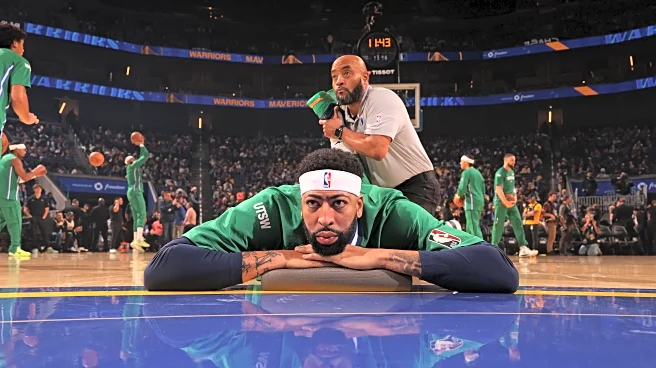




Core training is a fundamental aspect of strength and power development. The core, often referred to as the torso or trunk, plays a crucial role in supporting all other movements of the body. A strong core not only enhances overall strength but also improves balance and stability, which are essential for performing power movements effectively. This article delves into the significance of core training and how it contributes to strength and power development.
The Importance of Core Strength
The core muscles are central to almost every movement we perform, whether in daily activities or athletic endeavors. They provide the foundation for generating power and transferring force between the upper and lower body. A well-developed core allows for more efficient movement patterns, reducing the risk of injury and enhancing performance.
Core strength is particularly important in power movements, where the ability to generate and transfer force quickly is crucial. Exercises that target the core, such as squats, lunges, and planks, engage multiple muscle groups and joints, promoting overall body coordination and stability. By strengthening the core, individuals can improve their ability to perform explosive movements, such as jumping and sprinting, with greater power and efficiency.
Core Training Techniques
Effective core training involves a variety of exercises that target different aspects of core strength. These exercises should include movements that involve bending, straightening, and rotating the core, as well as holding isometric poses. Incorporating resistance, such as weights or resistance bands, can further enhance the effectiveness of core training.
The National Strength and Conditioning Association recommends a balanced approach to core training, emphasizing the importance of working all parts of the core. This includes exercises that focus on flexion, extension, lateral flexion, and rotation. By ensuring that all areas of the core are equally developed, individuals can maximize their power output and reduce the risk of imbalances that could lead to injury.
The Benefits of a Strong Core
A strong core offers numerous benefits beyond improved strength and power. It enhances balance and stability, which are essential for maintaining proper posture and preventing falls. Additionally, a strong core can alleviate back pain and improve overall functional fitness, making everyday activities easier and more efficient.
For athletes, a strong core is a key component of peak performance. It allows for more effective force transfer during sports-specific movements, such as swinging a bat or throwing a ball. By incorporating core training into their routine, athletes can enhance their performance and reduce the risk of injury, ultimately leading to greater success in their chosen sport.