




Alpaca fiber is a luxurious and versatile material used in a variety of products. The journey from raw fleece to finished goods involves several steps, each crucial to maintaining the quality of the fiber. This article explores the process of alpaca fiber production, from shearing to the creation of textiles and clothing.
Shearing and Sorting
The production of alpaca fiber begins with the annual shearing of the animals, typically done in the spring. Each alpaca produces
between 2.3 to 4.5 kilograms of fiber per shearing. The fleece is then roughly cleaned and sorted according to color and quality. This initial sorting is essential to ensure that the fiber is suitable for its intended use, whether for high-quality clothing or more utilitarian products.
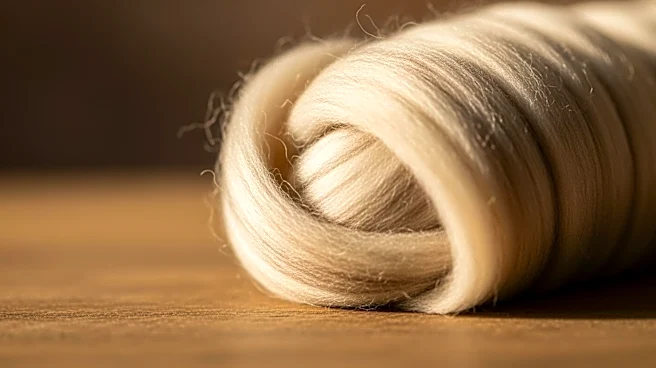
After sorting, the fiber is carded to align the loose fibers into a continuous strand. This process is similar to that used for sheep's wool and is crucial for preparing the fiber for spinning. The carded fiber is then ready to be spun into yarn, a step that requires skill and precision to maintain the fiber's natural qualities.
Spinning and Dyeing
Spinning is the process of twisting the carded fiber into yarn. Alpaca fiber can be spun into various weights, depending on its intended use. The spinning process must be carefully controlled to preserve the fiber's softness and strength. In some cases, alpaca fiber is blended with other fibers, such as sheep's wool, to enhance its durability.
Once spun, the yarn may be dyed to achieve the desired color. Alpaca fiber can be dyed using both synthetic and natural dyes, although its natural color range is extensive, with over 22 shades available. The dyeing process must be done carefully to avoid damaging the fiber, ensuring that the final product retains its luxurious feel and appearance.
Weaving and Finishing
The final steps in alpaca fiber production involve weaving or knitting the yarn into textiles and clothing. Alpaca fiber is used to create a wide range of products, from sweaters and scarves to blankets and rugs. The fiber's natural elasticity and warmth make it ideal for both knitted and woven goods.
After weaving or knitting, the textiles undergo finishing processes to enhance their appearance and feel. This may include washing to remove any remaining impurities and blocking to shape the final product. The result is a high-quality, durable textile that showcases the unique qualities of alpaca fiber.
The production of alpaca fiber is a meticulous process that highlights the fiber's natural beauty and versatility. From shearing to finished products, each step is essential to creating the luxurious textiles that alpaca fiber is known for.