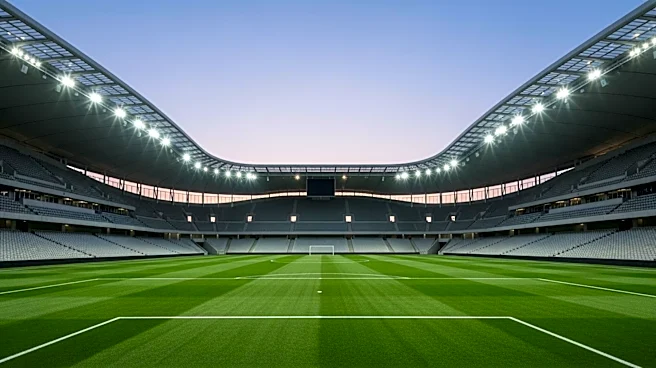

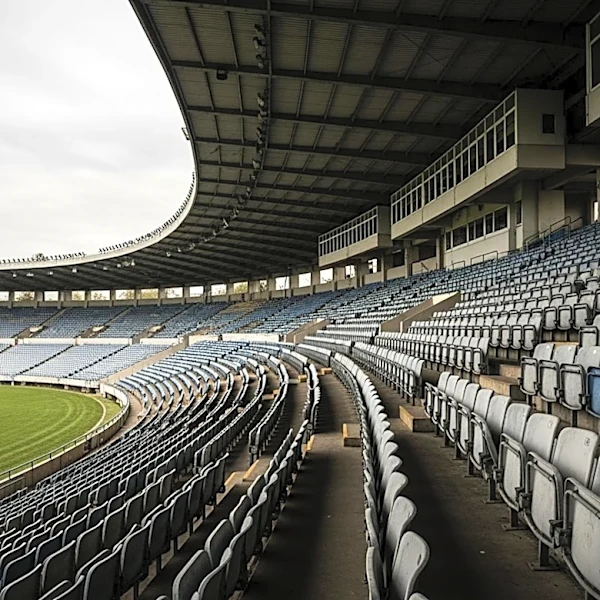
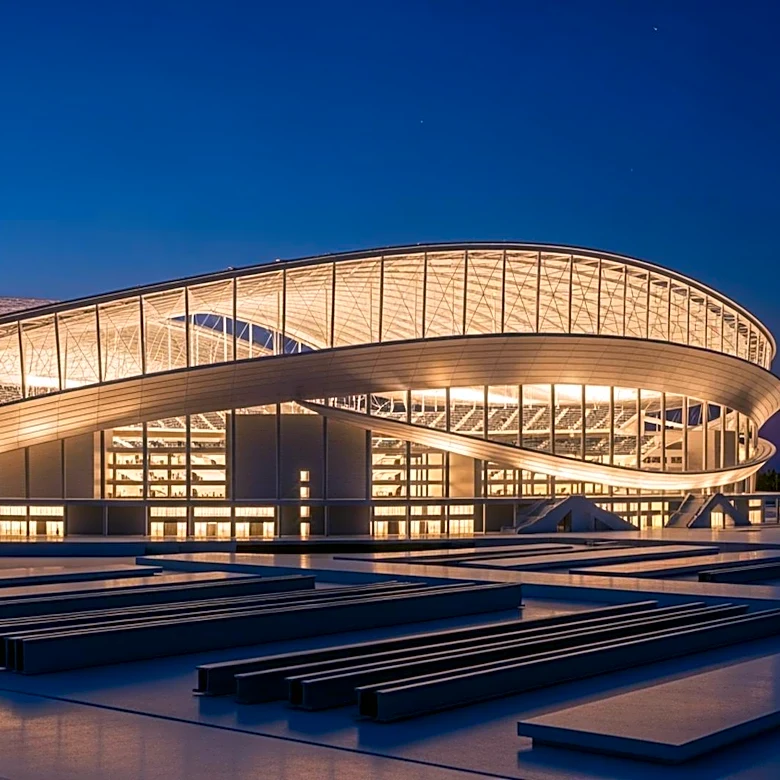




The Jeonju World Cup Stadium played a pivotal role during the 2002 FIFA World Cup, serving as one of the key venues for the tournament. Located in Jeonju, South Korea, this stadium was specifically constructed for the World Cup, highlighting its importance in the event's history. With a seating capacity of 34,207, it was designed to accommodate large crowds and provide an exciting atmosphere for international football matches.
Construction and Opening
The construction of the
Jeonju World Cup Stadium began in February 1999, as part of South Korea's preparations to co-host the 2002 FIFA World Cup with Japan. The stadium was officially opened on November 8, 2001, by South Korean President Kim Dae-jung. This marked a significant milestone in the country's efforts to showcase its ability to host a major international sporting event. The stadium's design and infrastructure were tailored to meet the demands of the World Cup, ensuring that it could handle the influx of fans and media from around the world.
The opening of the stadium was a moment of pride for South Korea, as it demonstrated the nation's commitment to the successful execution of the World Cup. The venue was equipped with modern facilities and technology, making it a suitable location for high-profile matches. Its construction was part of a broader initiative to enhance South Korea's sporting infrastructure and promote the country as a destination for international events.
Matches Hosted
During the 2002 FIFA World Cup, Jeonju World Cup Stadium hosted three matches, including two group stage matches and one round of 16 match. The first match took place on June 7, 2002, between Spain and Paraguay, with Spain emerging victorious with a 3-1 scoreline. This match was part of Group B and set the tone for the exciting football action that would follow.
The second group stage match occurred on June 10, 2002, featuring Portugal against Poland. Portugal dominated the game, winning 4-0, which was part of Group D. The stadium's atmosphere was electric, as fans from both countries cheered on their teams. The final match hosted at Jeonju was a round of 16 clash between Mexico and the United States on June 17, 2002. The United States won 2-0, advancing further in the tournament.
Legacy and Impact
The Jeonju World Cup Stadium's involvement in the 2002 FIFA World Cup left a lasting legacy on the city and the country. It showcased South Korea's ability to host a major international event and contributed to the nation's growing reputation in the world of sports. The stadium continues to serve as the home of Jeonbuk Hyundai Motors, a testament to its ongoing relevance in South Korean football.
Hosting World Cup matches brought significant attention to Jeonju, boosting tourism and local economy. The stadium remains a symbol of the city's contribution to the global sporting community, and its role in the 2002 FIFA World Cup is remembered as a highlight in South Korea's sporting history.