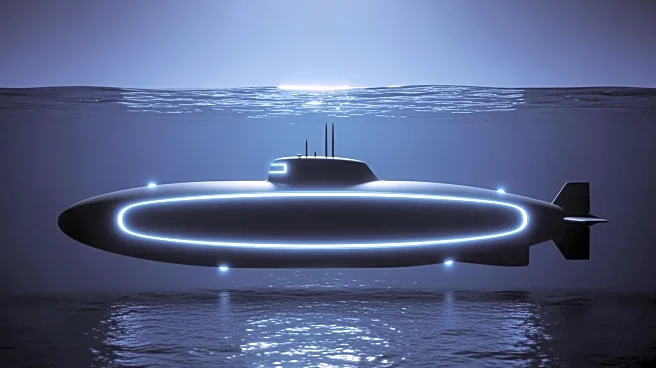

The USS Nautilus (SSN-571) marked a significant milestone in naval history as the world's first nuclear-powered submarine. Commissioned in 1954, it revolutionized submarine technology by introducing nuclear propulsion,
which allowed submarines to remain submerged for extended periods without the need to surface frequently. This breakthrough not only enhanced the operational capabilities of submarines but also set the stage for future advancements in naval engineering.
The Birth of Nuclear Propulsion
The concept of a nuclear-powered submarine was authorized by Congress in 1951, with construction beginning the following year. The Nautilus was launched in January 1954, sponsored by Mamie Eisenhower, and commissioned into the United States Navy in September of the same year. The submarine was powered by the Submarine Thermal Reactor (STR), later designated the S2W reactor, developed by Westinghouse Electric Corporation. This pressurized water reactor was a zero-emission process that consumed no air, making it ideal for submarine propulsion.
The nuclear propulsion system allowed the Nautilus to remain submerged far longer than diesel-electric submarines, breaking many records in its early years. It traveled to locations previously beyond the limits of submarines, demonstrating the potential of nuclear power in naval operations. The Nautilus's design and construction revealed limitations that informed improvements in subsequent submarines, contributing to the evolution of the Nuclear Navy.
Operational Achievements and Challenges
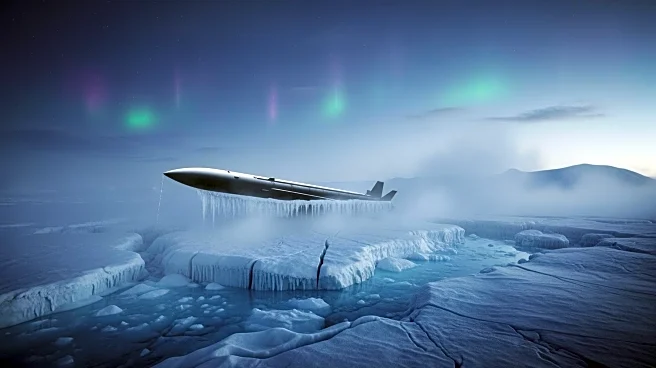
The USS Nautilus made history on August 3, 1958, by completing the first submerged transit of the North Pole. This achievement was part of Operation Sunshine, a mission ordered by President Eisenhower to showcase American technological prowess following the Soviet Union's launch of Sputnik. The Nautilus navigated beneath the Arctic ice cap, reaching the geographic North Pole and completing a submerged voyage around it.
Despite its groundbreaking achievements, the Nautilus faced challenges related to its design and construction. The submarine's hull and sail vibrated, affecting sonar effectiveness at higher speeds. These issues highlighted the need for further advancements in submarine technology, leading to improvements in subsequent nuclear submarines.
Legacy and Preservation
The USS Nautilus was decommissioned in 1980 and designated a National Historic Landmark in 1982. It has been preserved as a museum ship at the Submarine Force Library and Museum in Groton, Connecticut, attracting around 250,000 visitors annually. The Nautilus serves as a testament to the pioneering spirit of naval engineering and the advancements in nuclear propulsion technology.
The preservation of the Nautilus allows visitors to explore the history of submarine technology and its impact on naval operations. As the first nuclear-powered submarine, the Nautilus paved the way for future innovations, influencing the design and capabilities of modern submarines worldwide.