






The Office of Price Administration (OPA) played a crucial role in the United States during World War II. Established in 1941, the OPA was tasked with controlling prices and rents to prevent inflation and ensure economic stability during the war. This article delves into the establishment, functions, and impact of the OPA during this critical period in American history.
Establishment of the OPA
The OPA was created within the Office for Emergency Management by Executive Order
8875 on August 28, 1941. Its primary purpose was to control money and rents following the outbreak of World War II. The agency was initially part of the Office of Price Administration and Civilian Supply (OPACS), which was formed by merging the Price Stabilization and Consumer Protection Divisions. This merger aimed to streamline efforts to stabilize prices and protect consumers during wartime.
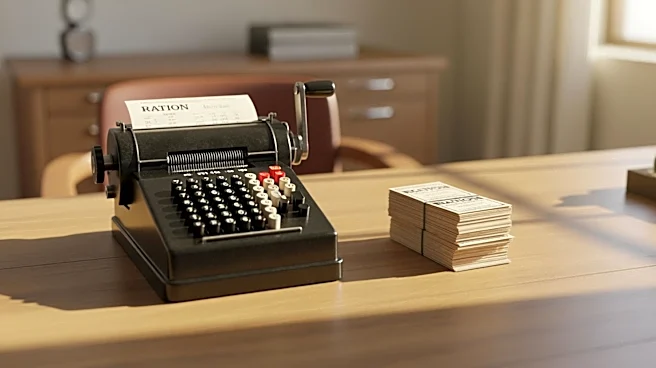
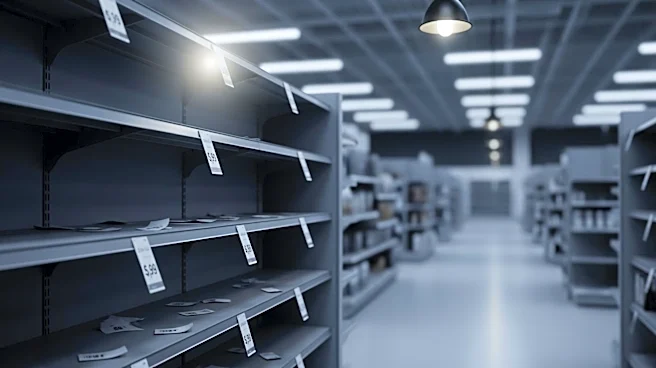
In January 1942, the OPA became an independent agency under the Emergency Price Control Act. This act granted the OPA the authority to place ceilings on all prices except agricultural commodities and to ration scarce supplies of essential items. These items included tires, automobiles, shoes, nylon, sugar, gasoline, fuel oil, coffee, meats, and processed foods. At its peak, the OPA froze almost 90% of retail food prices, demonstrating its significant influence on the American economy.
Functions and Impact
The OPA's primary function was to prevent inflation by controlling prices and rents. It achieved this by setting price ceilings and rationing scarce goods. The agency also had the power to authorize subsidies for the production of certain commodities, ensuring that essential goods remained available to the public.
The OPA's efforts were largely successful in stabilizing prices during the war. However, its policies were not without controversy. As the war drew to a close, Congress debated the necessity of continuing price controls. While some argued for their continuation to prevent post-war inflation, others, particularly conservatives and businessmen, pushed for deregulation to allow the economy to transition back to a civilian footing.
Challenges and Dissolution
Despite its successes, the OPA faced significant challenges, particularly from groups like the National Association of Manufacturers and the National Retail Dry Goods Association. These groups sought to limit the OPA's power and ensure that companies could maintain a minimum level of profits.
In 1946, opposition to the OPA grew, leading to its eventual dissolution in 1947. The agency's functions were transferred to various successor agencies, including the Office of Temporary Controls and the Department of Justice. Although the OPA was short-lived, its impact on the American economy during World War II was significant, demonstrating the importance of government intervention in times of crisis.