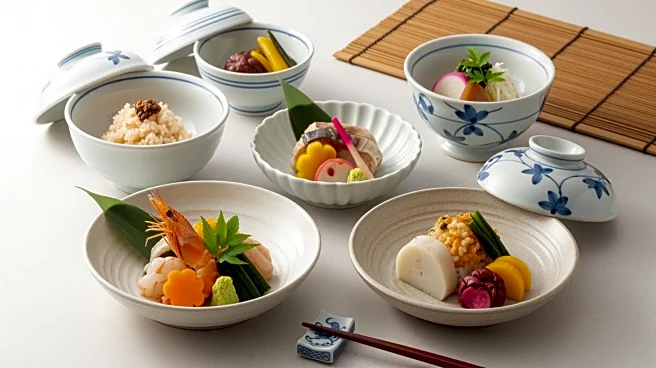







Japanese cuisine is renowned for its variety and depth, with each region offering unique flavors and dishes that reflect local ingredients and traditions. Known as kyōdo ryōri, these regional specialties have evolved over centuries, influenced by historical events and cultural exchanges. This article delves into the fascinating world of Japanese regional cuisine, exploring its origins and the distinct characteristics that make each region's offerings
special.
Historical Origins of Regional Specialties
The development of regional specialties in Japan can be traced back to several key historical periods. Initially, traditional dishes were crafted using local ingredients before the advent of refrigeration, ensuring that each region's cuisine was distinct and reflective of its environment. The late 19th and early 20th centuries saw a significant influx of foreign culture following the Meiji Restoration, which led to the creation of new dishes using novel ingredients and cooking methods. This period marked a turning point in Japanese culinary history, as the nation opened up to global influences.
In the aftermath of World War II, food shortages prompted innovation in Japanese kitchens. Returning soldiers brought back recipes from abroad, leading to the adaptation of existing ingredients into new dishes. Modern chefs continue to invent new regional specialties, sometimes with the support of local businesses and tourist boards, further enriching Japan's culinary landscape.
Regional Variations and Their Unique Characteristics
Japan's diverse geography contributes to the distinct flavors found in its regional cuisines. For instance, the broth used for udon noodles varies significantly between eastern and western Japan. In the east, the broth is heavy on dark soy sauce, while in the west, it relies more on complex dashi flavoring with a hint of light soy sauce. This regional variation highlights the importance of local ingredients and traditional recipes in shaping Japanese cuisine.
Some regional dishes have gained nationwide popularity, such as okonomiyaki and Edo-style sushi, yet many specialties remain unique to their areas. For example, Nagasaki is known for its Castella, a sweet sponge cake introduced by the Portuguese in the 16th century, while Miyazaki Prefecture offers Chicken Nanban, a fried chicken dish served with tartar sauce.
Modern Innovations and Cultural Significance
Today, Japanese regional cuisine continues to evolve, with chefs experimenting and creating new dishes that reflect contemporary tastes and trends. These innovations are often celebrated by local communities and promoted as part of regional identity, attracting tourists and food enthusiasts alike.
The cultural significance of regional cuisine in Japan cannot be overstated. It serves as a testament to the country's rich history and the adaptability of its culinary traditions. As Japan continues to embrace global influences, its regional specialties remain a cherished aspect of its cultural heritage, offering a taste of the nation's diverse and dynamic culinary landscape.