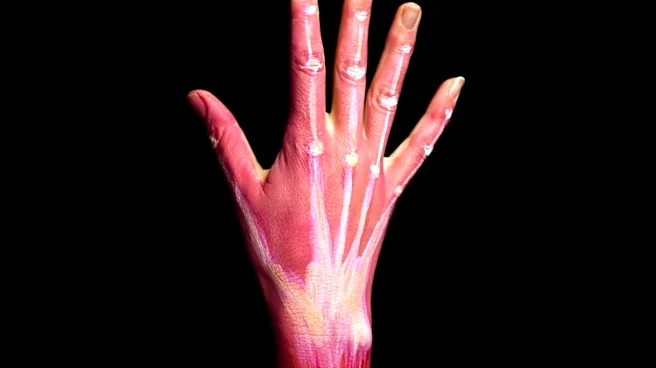










Tendinitis is a term commonly used to describe inflammation of the tendons, but it is often misunderstood and misapplied. The suffix "-itis" implies inflammation, yet many cases diagnosed as tendinitis are actually tendinosis, a condition characterized by tendon degeneration without significant inflammation. Understanding the correct terminology is crucial for accurate diagnosis and treatment.
The Difference Between Tendinitis and Tendinosis
Tendinitis refers to the inflammation of a tendon, typically
resulting from acute injury or overuse. It is characterized by redness, swelling, and pain, and is often treated with anti-inflammatory medications and rest. However, true tendinitis is relatively rare, as tendons are not highly vascularized and do not easily become inflamed.
In contrast, tendinosis is a more common condition that involves the degeneration of tendon fibers. This degeneration is often due to chronic overuse and results in pain and impaired function. Unlike tendinitis, tendinosis does not involve significant inflammation, which is why anti-inflammatory treatments may not be effective.
The Role of Inflammation in Tendinopathy
While inflammation is a component of tendinopathy, it is not the primary issue in most cases. The term "tendinopathy" is used to describe a range of tendon disorders, including both tendinitis and tendinosis. In tendinopathy, the pain and dysfunction are often due to changes in the tendon structure, such as collagen disorganization and increased vascularity.
Understanding the role of inflammation in tendinopathy is essential for effective treatment. While anti-inflammatory medications can provide short-term relief, they do not address the underlying structural changes in the tendon. Instead, treatments that promote tendon healing and remodeling, such as physical therapy and eccentric exercises, are more effective in managing tendinopathy.
The Importance of Accurate Diagnosis
Accurate diagnosis is crucial for effective treatment of tendon disorders. Mislabeling tendinosis as tendinitis can lead to inappropriate treatment and prolonged recovery. Medical imaging, such as ultrasound or MRI, can help differentiate between tendinitis and tendinosis by revealing the extent of tendon degeneration and inflammation.
By understanding the differences between tendinitis and tendinosis, healthcare providers can develop more targeted treatment plans that address the specific needs of each patient. This approach not only improves outcomes but also helps prevent the recurrence of tendon disorders. Educating patients about the correct terminology and treatment options is an essential step in managing tendinopathy effectively.