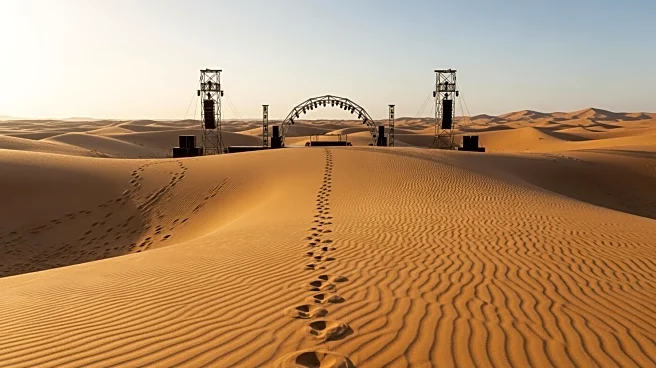


Coachella, officially known as the Coachella Valley Music and Arts Festival, has grown from a modest event into one of the most renowned music festivals in the world. Held annually at the Empire Polo Club in Indio, California, Coachella showcases a diverse array of musical genres and art installations. This article explores the festival's journey from its inception in 1999 to its current status as a cultural icon.
The Early Years
Coachella was co-founded by Paul Tollett
and Rick Van Santen in 1999, with the first festival taking place in October of that year. The inaugural event was held over two days and featured headliners such as Beck, Tool, and Rage Against the Machine. Despite its ambitious lineup, the festival faced financial challenges, with Goldenvoice, the organizing company, losing $850,000. This initial setback did not deter the founders, who were determined to establish Coachella as a premier music festival.
In 2001, Coachella returned as a single-day event in April, a strategic move to avoid the intense desert heat. The festival gradually expanded to two days in 2002 and three days in 2007, reflecting its growing popularity. By 2012, Coachella had further extended to two consecutive weekends, allowing more attendees to experience the event.
Growth and Expansion
As Coachella gained traction, it began to attract a wider array of artists and audiences. The festival's lineup has consistently featured a mix of popular and emerging artists across various genres, including rock, pop, indie, hip hop, and electronic dance music. This eclectic mix has been a key factor in Coachella's appeal, drawing music lovers from around the globe.
The festival's success has also led to the establishment of additional events at the Empire Polo Club, such as the Stagecoach country music festival. Coachella's influence extends beyond music, with its art installations and sculptures becoming an integral part of the festival experience. These visual elements have grown in scale and complexity over the years, enhancing the overall atmosphere and appeal of the event.
Coachella's Cultural Impact
Coachella's impact on the music and arts scene is undeniable. It has become a trendsetter, influencing fashion, music, and festival culture worldwide. The festival is known for its distinctive attendee apparel, often featuring eclectic combinations of colors and materials. This unique style has sparked discussions about cultural appropriation, particularly regarding non-natives wearing Native American-inspired headdresses.
Despite these controversies, Coachella remains a highly anticipated event, drawing hundreds of thousands of attendees each year. Its ability to adapt and evolve has solidified its place as a cultural phenomenon, with each edition setting new records for attendance and revenue. As Coachella continues to grow, it remains a testament to the power of music and art to bring people together in celebration.