






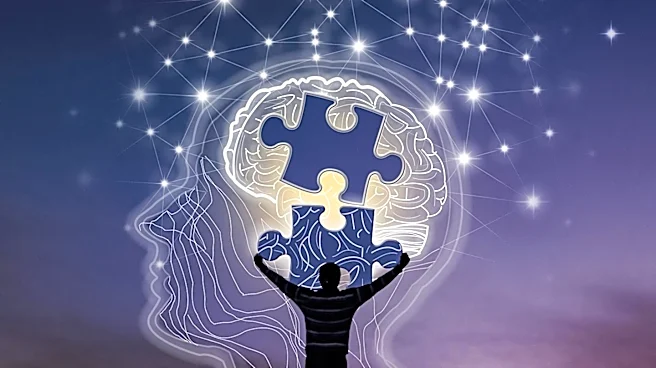
Bibliotherapy, the practice of using literature for therapeutic purposes, harnesses the power of the written word to promote psychological healing and personal growth. By engaging with carefully selected reading materials, individuals can gain insight into their own experiences and emotions, leading to improved mental well-being. This article explores the psychological mechanisms behind bibliotherapy and its therapeutic benefits.
Psychological Mechanisms of Bibliotherapy
At the core of bibliotherapy
is the dynamic interaction between the reader and the text. This interaction allows individuals to identify with characters and situations, providing a new perspective on their own issues. Through this process of identification, readers can experience catharsis, releasing pent-up emotions and gaining a sense of relief.
Bibliotherapy also facilitates insight, as readers reflect on the themes and messages within the literature. This reflection can lead to greater self-awareness and understanding, helping individuals to recognize patterns in their thoughts and behaviors. By gaining insight into their own experiences, readers can develop new coping strategies and make positive changes in their lives.
Therapeutic Benefits of Bibliotherapy
Bibliotherapy has been shown to be effective in treating a range of mental health issues, including depression, anxiety, and stress. It provides a safe and accessible form of therapy, allowing individuals to explore their emotions and experiences at their own pace. This self-directed approach can be particularly empowering, as it encourages individuals to take an active role in their own healing process.
In addition to its psychological benefits, bibliotherapy can also enhance social and emotional skills. By reading about diverse characters and situations, individuals can develop greater empathy and understanding for others. This increased empathy can improve interpersonal relationships and foster a sense of connection and belonging.
Integrating Bibliotherapy into Therapeutic Practice
Bibliotherapy is often used in conjunction with other therapeutic approaches, such as cognitive behavioral therapy. By incorporating reading materials into therapy sessions, practitioners can provide clients with additional tools for self-exploration and growth. This integrative approach can enhance the overall effectiveness of therapy, leading to more positive outcomes for clients.
In educational settings, bibliotherapy can be used to support students' emotional and social development. Teachers and counselors can select books that address specific issues, such as bullying or grief, helping students to navigate these challenges and build resilience.
In conclusion, bibliotherapy offers a unique and powerful approach to psychological healing. By engaging with literature, individuals can gain insight, experience catharsis, and develop new coping strategies. As a versatile and accessible form of therapy, bibliotherapy has the potential to benefit individuals across a wide range of settings and circumstances.