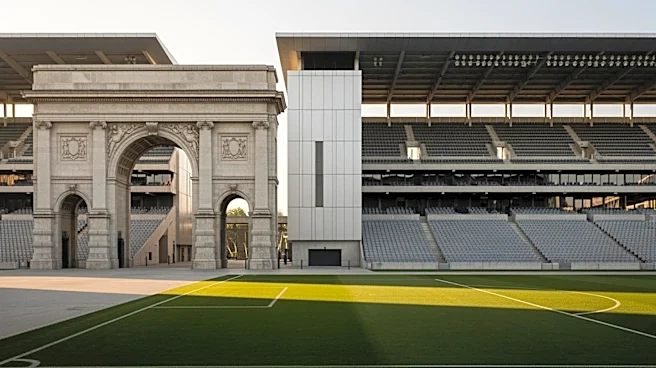




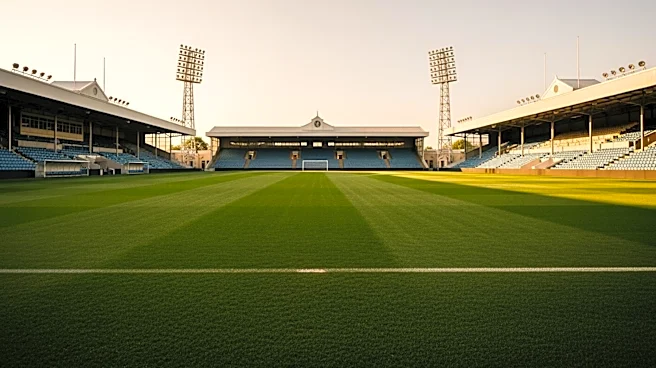

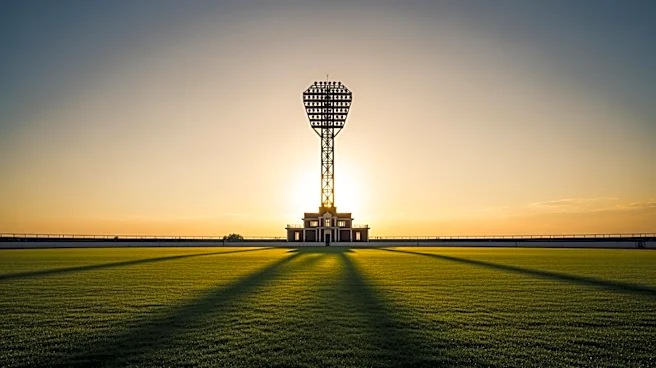
Rimnersvallen Stadium, located in Uddevalla, Sweden, has a rich history that dates back to the early 20th century. Originally opened on May 5, 1923, the stadium has undergone several transformations to accommodate the changing needs of sports and its spectators. This article delves into the historical evolution of Rimnersvallen, highlighting its key milestones and developments over the years.
Early Beginnings and Construction
Rimnersvallen's journey began in mid-1921 when construction
broke ground. The stadium was officially opened on May 5, 1923, marking the beginning of its role as a central sports venue in Uddevalla. Initially designed as a multi-use stadium, Rimnersvallen was primarily used for football matches, a tradition that continues to this day. The stadium's capacity was set at 10,605, making it a significant venue for local sports events.
The early years of Rimnersvallen were characterized by its use for various sporting events, but football remained the primary focus. The stadium quickly became a hub for local teams, including IK Oddevold, which still calls Rimnersvallen its home. The stadium's design and capacity were adequate for the needs of the time, but as sports grew in popularity, so did the demands on the venue.
The 1958 World Cup Transformation
A pivotal moment in Rimnersvallen's history came in 1958 when Sweden hosted the FIFA World Cup. To prepare for this international event, Rimnersvallen underwent significant renovations. These changes were necessary to meet the standards required for hosting World Cup matches, and they marked a turning point in the stadium's history.
During the 1958 World Cup, Rimnersvallen hosted two matches, including a notable game between Brazil and Austria. This match ended with a 3-0 victory for Brazil and was attended by 17,778 spectators, setting an all-time attendance record for the venue. The renovations not only improved the stadium's facilities but also elevated its status on the international stage.
Modern-Day Rimnersvallen
Today, Rimnersvallen continues to serve as a vital sports venue in Uddevalla. It remains the home ground for IK Oddevold, a team that competes in Sweden's second-flight league, Superettan. The stadium's historical significance is preserved through its continued use and the memories of past events that have shaped its legacy.
While the stadium's capacity remains at 10,605, its historical importance and the memories of the 1958 World Cup continue to resonate with sports fans and the local community. Rimnersvallen stands as a testament to the enduring appeal of football and the role of sports venues in bringing people together.