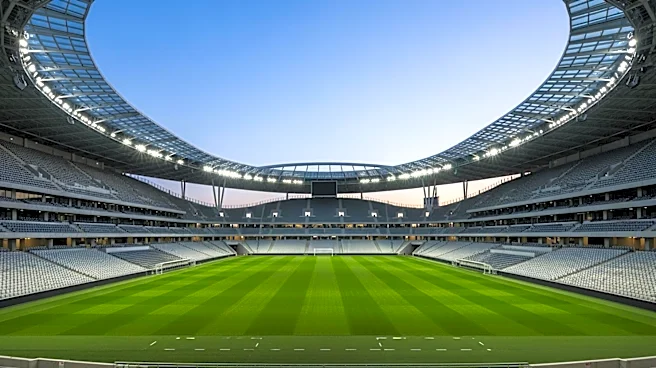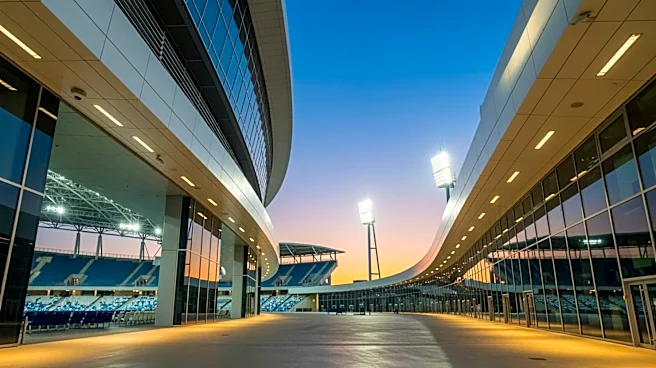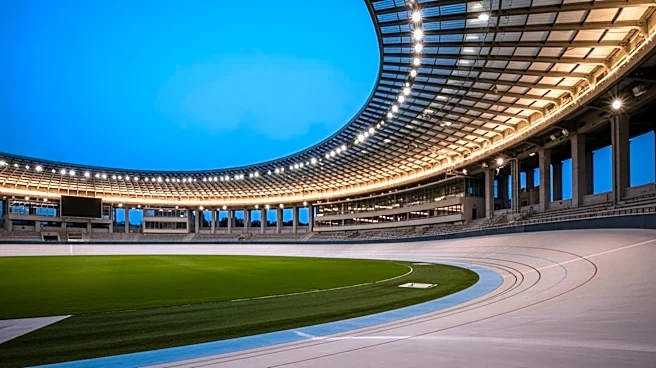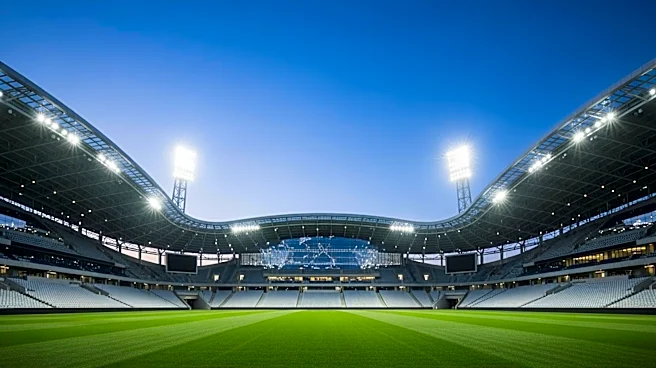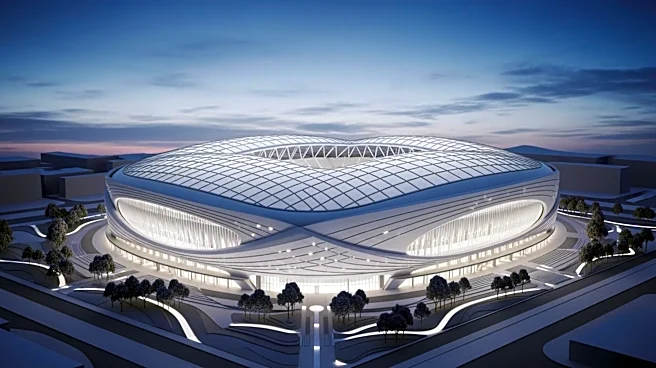


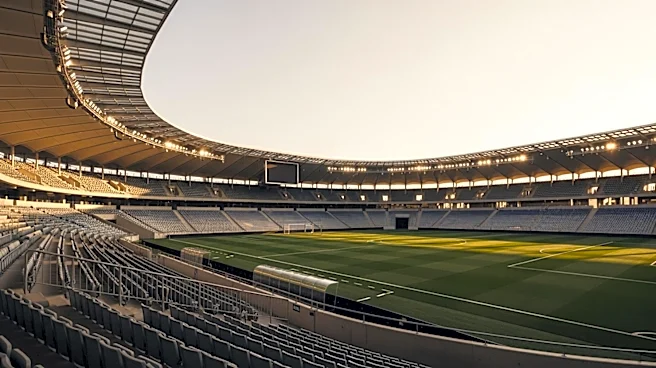

Cape Town Stadium, located in Cape Town, South Africa, has undergone significant changes since its inception. Originally built in 1987 and known as FNB Stadium, it has evolved to become a prominent sports venue in the region. This article delves into the historical development of the stadium, highlighting key milestones and transformations that have shaped its current status.
Early Years and Construction
Cape Town Stadium was first constructed in 1987, marking the beginning of
its journey as a major sports venue. At the time of its completion, it was named FNB Stadium, a name that would later change as the stadium underwent various transformations. The initial construction laid the foundation for what would become a central hub for sports and entertainment in Cape Town.
The stadium's location in Cape Town, South Africa, positioned it as a key venue for hosting significant events. Its capacity of 64,100 allowed it to accommodate large crowds, making it suitable for major sports tournaments and other large-scale events. Over the years, the stadium has seen numerous renovations and upgrades to enhance its facilities and accommodate the growing demands of modern sports.
Hosting the 2010 FIFA World Cup
One of the most notable milestones in the history of Cape Town Stadium was its role in co-hosting the 2010 FIFA World Cup. As one of the ten stadiums selected for the tournament, it played a crucial part in bringing international attention to South Africa. During the World Cup, FIFA referred to the venue as Green Point Stadium, highlighting its significance in the global sports arena.
The stadium hosted several matches during the World Cup, including group stage games and knockout rounds. These events not only showcased the stadium's capacity to host international competitions but also contributed to its reputation as a world-class sports venue. The successful hosting of the World Cup matches marked a turning point in the stadium's history, solidifying its status as a premier location for major sporting events.
Transition to Rugby and Current Use
Following the World Cup, Cape Town Stadium transitioned to become the home of Western Province Rugby. This shift marked a new era for the stadium, as it adapted to accommodate rugby matches and events. The stadium's capacity and facilities made it an ideal choice for hosting rugby games, further expanding its role in the sports community.
Today, Cape Town Stadium continues to serve as a central venue for sports and entertainment in Cape Town. Its evolution from FNB Stadium to a key player in international sports events reflects its adaptability and enduring significance. As the stadium moves forward, it remains a symbol of Cape Town's vibrant sports culture and its ability to host world-class events.