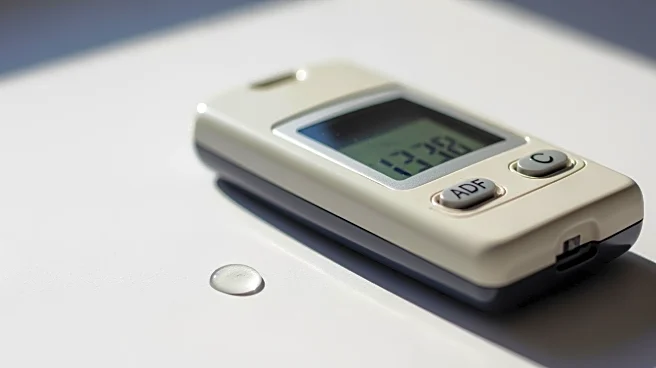

Hypoglycemia, commonly known as low blood sugar, is a condition characterized by a drop in blood glucose levels below the normal range. This condition can lead to a variety of symptoms and is often associated
with diabetes treatment. Understanding the causes and symptoms of hypoglycemia is crucial for effective management and prevention.
Causes of Hypoglycemia
Hypoglycemia is most frequently caused by medications used to treat diabetes, such as insulin, sulfonylureas, and biguanides. These medications can lead to low blood sugar levels, especially if taken in excessive doses or at inappropriate times. For instance, taking insulin in anticipation of a meal and then skipping the meal can result in hypoglycemia due to the increased insulin without the presence of glucose from food.
Other causes of hypoglycemia include severe illnesses, such as sepsis, kidney failure, and liver disease. These conditions can disrupt the body's ability to maintain normal blood glucose levels. Additionally, hormone deficiencies, tumors like insulinomas, and inborn errors of metabolism can also lead to hypoglycemia. In some cases, hypoglycemia may occur in healthy newborns who have not eaten for a few hours.
Symptoms of Hypoglycemia
The symptoms of hypoglycemia can vary widely and often appear quickly. Common symptoms include headache, tiredness, clumsiness, trouble talking, confusion, fast heart rate, sweating, shakiness, nervousness, and hunger. In severe cases, hypoglycemia can lead to loss of consciousness, seizures, or even death.
Hypoglycemic symptoms are divided into two main categories: neuroglycopenic symptoms and adrenergic symptoms. Neuroglycopenic symptoms are caused by low glucose levels in the brain and can result in tiredness, confusion, difficulty with speech, seizures, and loss of consciousness. Adrenergic symptoms are caused by the body's reaction to low glucose levels and can result in a fast heart rate, sweating, nervousness, and hunger.
Recognizing and Managing Hypoglycemia
Recognizing the symptoms of hypoglycemia is essential for timely intervention. Individuals with diabetes are often educated on how to identify these symptoms and take appropriate action. Treatment typically involves consuming a sugary food or drink to quickly raise blood glucose levels. In severe cases, glucagon injections may be necessary.
Preventing hypoglycemia involves careful management of diabetes medications, regular monitoring of blood glucose levels, and maintaining a balanced diet. By understanding the causes and symptoms of hypoglycemia, individuals can take proactive steps to manage their condition and prevent complications.