


Infusion is a fascinating process that involves extracting flavors or chemical compounds from plant materials by soaking them in a solvent like water, oil, or alcohol. This method, often referred to as steeping, is distinct from other extraction techniques such as decoction and percolation. Infusion has a rich history and is used in various applications, from making tea to creating herbal remedies. This article explores the intricacies of infusion,
its historical roots, and its modern-day applications.
The Historical Roots of Infusion
The history of infusion is deeply intertwined with the development of essential oils and tea. The first recorded use of essential oils dates back to the 10th or 11th century, attributed to the Persian polymath Avicenna. However, the practice of making tea, which involves infusion, is much older, with references dating back to the 10th century BC. This ancient method of flavor extraction has been refined over centuries, evolving alongside human culinary and medicinal practices.
Infusion was initially used for medicinal purposes, with botanicals being steeped to release their active ingredients. This method allowed for the creation of potent herbal remedies that were used to treat various ailments. Over time, the process of infusion became more sophisticated, with different cultures developing their own unique techniques and applications.
Techniques and Tools of Infusion
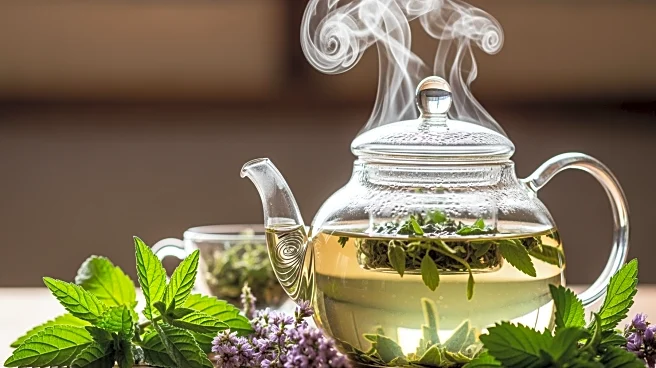
Infusion involves several techniques and tools that help in the extraction process. The basic method involves boiling a liquid and pouring it over the plant material, allowing it to steep for a specific period. The duration of steeping can vary significantly, from a few seconds for certain teas to several months for liqueurs like sloe gin. The choice of solvent and the steeping time are crucial factors that influence the final flavor and potency of the infusion.
Various tools are used to facilitate the infusion process. Metal steepers, tea infusers, and French presses are common accessories that help in removing the steeped botanicals from the liquid. The teabag, made from filter paper, is perhaps the most widely used tool for infusing tea. These tools ensure that the infusion process is efficient and that the resultant liquid is free from unwanted plant material.
Modern Applications of Infusion
Today, infusion is used in a wide range of applications beyond traditional tea making. It plays a significant role in the culinary world, where chefs use it to create flavored oils, vinegars, and spirits. Infusion is also a key process in the production of herbal medicines and aromatherapy products, where it is used to extract the therapeutic properties of plants.
The versatility of infusion makes it an invaluable technique in both traditional and modern practices. Whether it's creating a soothing cup of tea or a complex herbal remedy, the art and science of infusion continue to enrich our lives with its diverse applications.