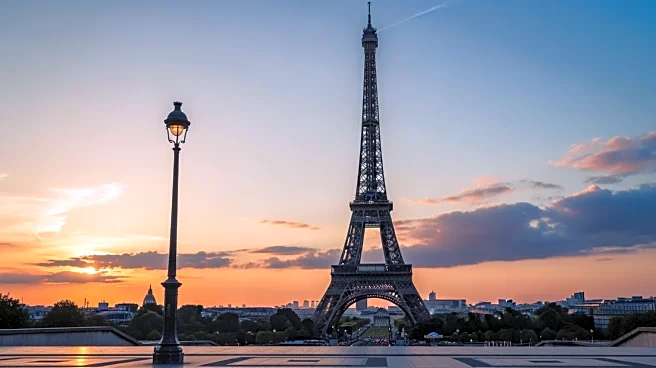




Paris, the capital of France, is renowned for its rich history and stunning architecture. Among its most famous landmarks are the Eiffel Tower, Arc de Triomphe, and the neo-classic Haussmannian boulevards. These monuments not only attract millions of tourists each year but also serve as symbols of France's cultural and historical heritage. This article delves into the significance and allure of these iconic structures.
The Eiffel Tower: A Symbol of Innovation
The Eiffel Tower, designed by
Gustave Eiffel for the 1889 Universal Exposition, stands as a testament to architectural innovation. Originally met with skepticism, it has since become a beloved symbol of Paris. The tower's iron lattice structure was groundbreaking at the time, showcasing the possibilities of modern engineering. Today, it is one of the most visited monuments in the world, drawing tourists who marvel at its design and the panoramic views it offers of the city.
The tower's construction marked a turning point in architectural design, moving away from traditional stone structures to embrace new materials and techniques. Its success paved the way for future architectural endeavors, influencing the design of skyscrapers and other modern buildings worldwide.
Arc de Triomphe: Honoring History
The Arc de Triomphe, located at the center of the Place de l'Étoile, commemorates France's military victories and honors those who died in battle. Commissioned by Napoleon after his victory at Austerlitz, the monument is a powerful symbol of national pride and remembrance. Its intricate carvings and sculptures depict scenes of battle and triumph, serving as a reminder of France's historical achievements.
Visitors to the Arc de Triomphe can explore its museum, which provides insights into its history and significance. The monument also offers a vantage point for viewing the city's famous boulevards, including the Champs-Élysées, further enhancing its appeal as a tourist destination.
Haussmannian Boulevards: The Heart of Paris
The Haussmannian boulevards, characterized by their wide streets and uniform architecture, are central to Paris's identity. Designed by Baron Haussmann in the 19th century, these boulevards transformed the city, making it more accessible and aesthetically pleasing. The uniformity and elegance of the buildings lining these streets reflect the city's commitment to beauty and order.
These boulevards are not only architectural marvels but also vibrant centers of activity, hosting shops, cafes, and cultural events. They embody the spirit of Paris, offering both locals and tourists a place to experience the city's unique charm and sophistication.
Paris's monuments are more than just tourist attractions; they are integral to the city's identity and history. Each structure tells a story, inviting visitors to explore and appreciate the rich tapestry of culture and innovation that defines Paris.