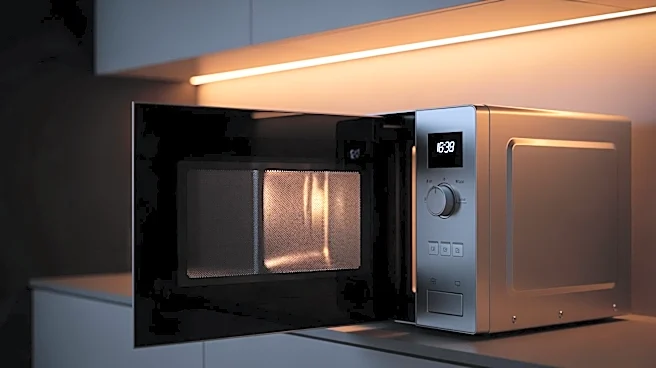









The microwave oven, a staple in modern kitchens, has a fascinating history that dates back to the mid-20th century. Initially developed from radar technology, the microwave oven has undergone significant transformations to become the convenient appliance we know today. This article explores the key milestones in the evolution of the microwave oven, from its inception to its widespread adoption in households.
Early Developments
The story of the microwave oven begins with
the invention of the cavity magnetron, a device that generates microwaves. This technology was crucial during World War II for radar systems. In 1945, Percy Spencer, an engineer at Raytheon, accidentally discovered the heating effect of microwaves when a candy bar melted in his pocket while he was working near a radar set. This serendipitous event led Spencer to experiment with microwaves for cooking, eventually leading to the development of the first microwave oven.
Raytheon filed a patent for a microwave cooking process in 1945, and by 1947, the first commercial microwave oven, known as the "Radarange," was introduced. This early model was large, expensive, and primarily used in commercial settings. It stood nearly six feet tall, weighed about 750 pounds, and cost between $2,000 and $3,000.
Commercialization and Adoption
The initial high cost and size of microwave ovens limited their use to commercial kitchens. However, advancements in technology and manufacturing processes gradually reduced their size and cost. In 1967, the Amana Corporation, a division of Raytheon, introduced the first countertop microwave oven, making it more accessible to the average consumer. Priced at $495, this model marked a significant step towards the microwave's integration into household kitchens.
By the late 1970s, microwave ovens became more affordable and compact, leading to a surge in popularity. Technological improvements, such as the introduction of the turntable, enhanced the evenness of cooking, further boosting consumer acceptance. By the 1980s, microwave ovens were a common feature in kitchens across the United States and other developed countries.
Impact and Legacy
The widespread adoption of microwave ovens revolutionized cooking and food preparation. They offered a quick and efficient way to heat and cook food, saving time and energy compared to traditional cooking methods. The microwave oven also influenced food packaging and the development of microwave-safe containers and ready-to-eat meals.
Today, the microwave oven is an indispensable appliance in many households, reflecting its successful evolution from a wartime innovation to a kitchen essential. Its development highlights the intersection of technology and everyday life, showcasing how scientific advancements can transform daily routines.