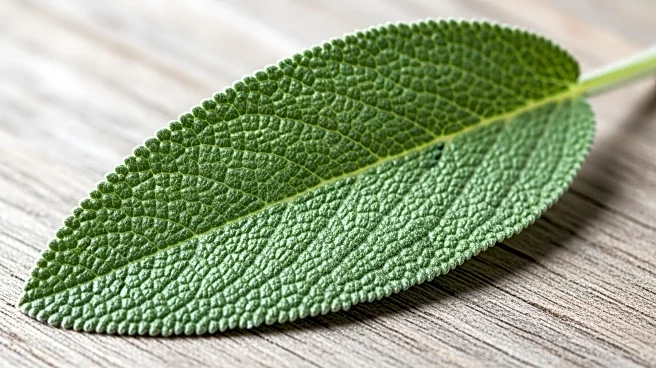




Sage is a term that encompasses a variety of plant species, each with its unique characteristics and uses. From culinary herbs to ornamental shrubs, the world of sage is diverse and fascinating. This article delves into the different types of plants known as sage, highlighting their botanical features and applications.
Culinary and Common Sage
One of the most well-known types of sage is *Salvia officinalis*, commonly referred to as common sage. This small evergreen subshrub
is widely used as a culinary herb, prized for its aromatic leaves that add flavor to a variety of dishes. Common sage is a staple in many kitchens, known for its ability to enhance the taste of meats, sauces, and stuffings.
The genus *Salvia* itself is large and diverse, containing many species commonly referred to as sages. These plants are not only valued for their culinary uses but also for their ornamental appeal. The vibrant flowers and fragrant foliage of *Salvia* species make them popular choices for gardens and landscapes.
Ornamental and Medicinal Sages
Beyond the kitchen, sage plants are appreciated for their ornamental qualities. *Teucrium scorodonia*, known as wood sage, is a herb used for flavoring beverages. Its unique appearance and pleasant aroma make it a favorite among gardeners looking to add variety to their plant collections.
Another notable genus is *Leucophyllum*, often called sages, which includes evergreen shrubs in the figwort family. These plants are known for their resilience and ability to thrive in arid conditions, making them ideal for xeriscaping. The striking purple flowers of *Leucophyllum frutescens*, or Texas sage, add a splash of color to any garden.
Sagebrush and Other Varieties
The term sage is also associated with *Artemisia*, a genus of shrubs in the composite family. Several members of this genus are referred to as sage or sagebrush, including *Artemisia tridentata*, commonly known as sagebrush. These plants are adapted to dry environments and are a common sight in the landscapes of the American West.
In addition to these, there are other plants like *Eriogonum jamesii*, known as antelope sage, and *Phlomis fruticosa*, or Jerusalem sage, each contributing to the rich tapestry of plants associated with the name sage. These species highlight the diversity and adaptability of sage plants across different climates and regions.
The world of sage is vast and varied, with each species offering its unique benefits and beauty. Whether used in cooking, gardening, or landscaping, sage plants continue to captivate and serve people around the globe.