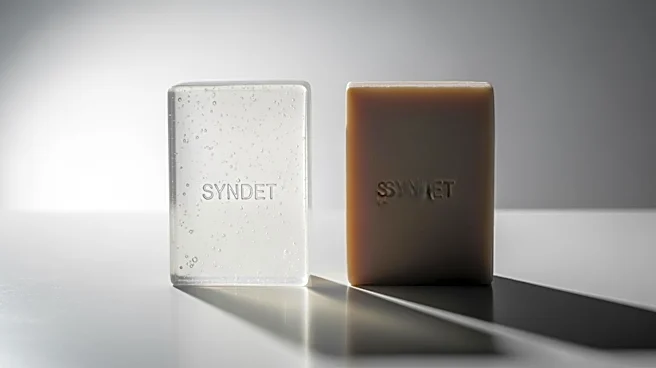








In the realm of personal hygiene, the choice between syndet and traditional soap is becoming increasingly relevant. While both serve the primary function of cleansing, their chemical compositions and effects on the skin differ significantly. This article explores these differences, providing insight into why some consumers are opting for syndet over traditional soap.
Chemical Composition and Production
Traditional soap is produced through a process known as saponification, which involves
the reaction of fats or oils with an alkali, such as sodium hydroxide. This process results in the formation of soap, which is essentially the sodium or potassium salts of fatty acids. While effective at cleaning, this method can produce a product that is harsh on the skin, particularly for those with sensitivities.
In contrast, syndet, or synthetic detergent, is created using synthetic surfactants. These surfactants are designed to mimic the cleaning properties of soap but with enhanced skin compatibility. The production of syndet does not rely on the saponification process, allowing for greater control over the final product's properties. This control enables manufacturers to tailor syndet formulations to be milder and more suitable for sensitive skin.
Effects on the Skin
One of the primary concerns with traditional soap is its potential to irritate the skin. The alkaline nature of soap can disrupt the skin's natural pH balance, leading to dryness and irritation. This is particularly problematic for individuals with sensitive skin or conditions such as eczema.
Syndet, on the other hand, is formulated to be less disruptive to the skin's natural barrier. Its synthetic surfactants are often milder, reducing the likelihood of irritation. This makes syndet an appealing option for those who experience adverse reactions to traditional soap products. Additionally, syndet's hypoallergenic properties make it a safer choice for individuals prone to allergies.
Consumer Preferences and Market Trends
As consumers become more aware of the ingredients in their personal care products, there is a growing demand for alternatives that offer both efficacy and gentleness. Syndet fits this demand by providing a cleaning solution that is effective yet kind to the skin. This has led to an increase in the popularity of syndet products, particularly among those with sensitive skin.
The marketing strategies employed by syndet manufacturers have also contributed to its rising popularity. By highlighting its skin-friendly properties and suitability for allergy sufferers, syndet has been positioned as a superior alternative to traditional soap. This strategic positioning has resonated with consumers, driving the growth of syndet in the personal care market.
In summary, while both syndet and traditional soap serve the purpose of cleansing, their differences in chemical composition and effects on the skin make them distinct choices. For those seeking a gentler, more skin-friendly option, syndet offers a compelling alternative to traditional soap.