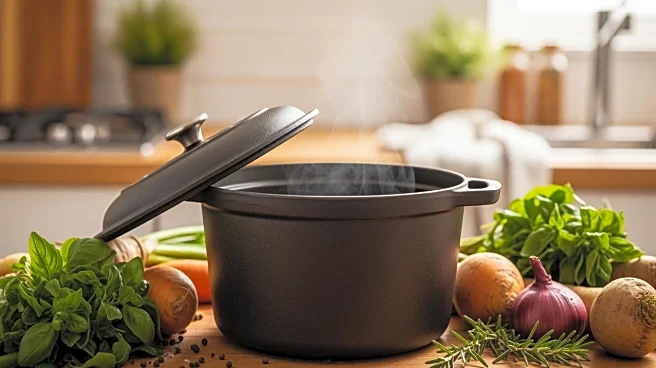



Braising is a versatile cooking method that combines both wet and dry heat to transform ingredients into tender, flavorful dishes. This technique begins with browning the food at a high temperature, followed by simmering it in a covered pot with a cooking liquid. Braising is often used for larger cuts of meat, but it can also be applied to fish, tempeh, tofu, fruits, and vegetables. This article delves into the process of braising and its applications
across different cuisines.
The Braising Process
Braising typically starts with pan-searing the food to brown its surface, enhancing its flavor through the Maillard reaction. This initial step is crucial as it develops a rich, complex taste that forms the foundation of the dish. Once browned, the food is placed in a pot with a cooking liquid that covers about two-thirds of the food. The liquid often includes an acidic element like tomatoes, beer, balsamic vinegar, or wine, combined with stock to enrich the flavor.
The pot is then covered and cooked at a very low simmer until the food becomes tender enough to be "cut" with gentle pressure from a fork. This slow cooking process breaks down connective tissue and collagen, which lubricates and tenderizes the fibers, contrary to the misconception that braising adds moisture to meat. The cooking liquid is often finished to create a sauce or gravy, adding another layer of flavor to the dish.
Braising in Global Cuisines
Braising is a popular technique in many cuisines around the world, particularly in Asian cooking. In Chinese cuisine, braising is often accompanied by soy sauce, which adds depth and umami to the dish. Vietnamese cuisine also embraces braising, using a combination of soy sauce and fish sauce to create a unique flavor profile.
Some well-known braised dishes include osso buco and coq au vin, which showcase the versatility of this cooking method. Braising is not limited to meat; vegetables with high water content can be cooked in their own juices, eliminating the need for additional liquid. This adaptability makes braising a favored technique for creating hearty, comforting meals.
The Science Behind Braising
The success of braising lies in its ability to transform tough cuts of meat into tender, succulent dishes. The slow cooking process allows the heat to penetrate the food evenly, breaking down tough fibers and connective tissues. This results in a dish that is not only tender but also infused with the flavors of the cooking liquid.
Braising also offers the advantage of being a forgiving cooking method. The low and slow approach minimizes the risk of overcooking, making it ideal for home cooks and professional chefs alike. Whether preparing a simple pot roast or an elaborate coq au vin, braising provides a reliable way to achieve delicious results.