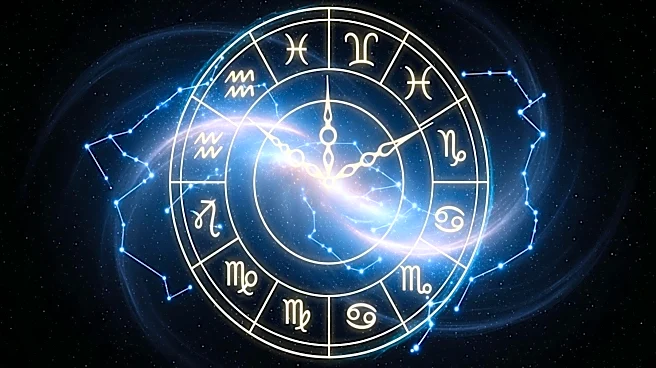

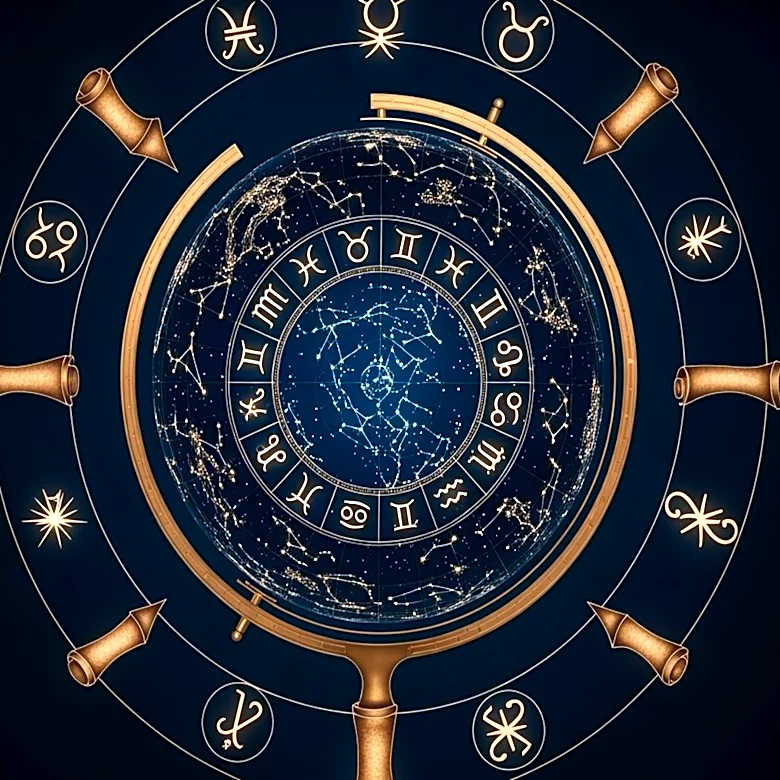




Astrological ages are fascinating periods that have intrigued astrologers and historians alike. These ages are linked to the precession of the equinoxes, a slow movement of Earth's axis that causes the zodiac constellations to shift at the vernal equinox. Each astrological age lasts approximately 2,160 years, and the cycle of twelve ages is known as a Great Year. This article delves into the historical development and timeline of astrological ages,
highlighting key milestones and transitions.
The Origins of Astrological Ages
The concept of astrological ages can be traced back to ancient civilizations that observed celestial movements and their potential influence on human affairs. The Babylonians were among the first to develop a system of astrology, which later influenced Greek and Roman thought. Hipparchus of Nicaea, a Greek astronomer, is credited with discovering the precession of the equinoxes around 127 BCE. This discovery laid the foundation for understanding astrological ages, as it revealed the gradual shift in the orientation of Earth's axis.
During the Hellenistic period, astrology became more sophisticated, incorporating elements from Babylonian and Egyptian traditions. The zodiac was divided into twelve signs, each associated with specific characteristics and influences. Astrologers began to relate historical events and societal changes to the astrological ages, believing that each age was influenced by the sign it was associated with.
Transitioning Through the Ages
Astrological ages are marked by transitions that are believed to bring significant cultural and spiritual changes. The Age of Pisces, for example, is thought to have begun around the time of Christ's birth, symbolizing themes of spirituality and compassion. As the vernal equinox moves into Aquarius, many astrologers anticipate the arrival of the Age of Aquarius, which is expected to usher in a period of innovation and collective consciousness.
The transition between ages is not abrupt; rather, it is a gradual process that can span several decades. This period of overlap, known as a cusp, allows influences from both the outgoing and incoming ages to blend. Astrologers often debate the exact timing of these transitions, with some proposing specific dates while others suggest broader timeframes.
The Debate and Uncertainty
Despite the intrigue surrounding astrological ages, there is considerable debate and uncertainty regarding their exact dates and influences. Astrologers use various methods to calculate the beginning and end of each age, leading to differing opinions. Some rely on the sidereal zodiac, which is based on the actual constellations, while others use the tropical zodiac, which is aligned with the seasons.
The lack of consensus has led to skepticism among some scholars, who question the validity of astrological ages as a predictive tool. Nonetheless, the concept continues to captivate those interested in astrology and its potential impact on human history. As we stand on the cusp of the Age of Aquarius, the debate over astrological ages remains a vibrant and ongoing discussion.