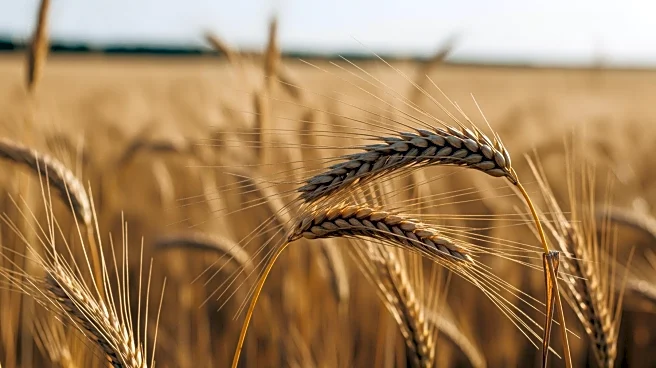




Cereals are among the most important crops in the world, serving as staple foods for billions of people. Their cultivation and trade are critical to global food security, providing essential nutrients and energy. This article examines the role of cereals in ensuring food security and their impact on international trade.
Cereals as Staple Foods
Cereals such as rice, wheat, and maize are the world's largest crops by tonnage, accounting for a significant portion of global food
energy. These grains are staple foods in many cultures, providing carbohydrates, proteins, and essential nutrients. In developing countries, cereals often constitute the majority of daily sustenance, highlighting their importance in combating hunger and malnutrition.
The nutritional value of cereals varies depending on their processing. Whole grains retain the bran, germ, and endosperm, offering more nutrients than refined grains, which have the bran and germ removed. Despite the nutritional benefits of whole grains, refined cereals are more commonly consumed due to their longer shelf life and ease of preparation.
The Global Trade of Cereals
Cereals are the most traded commodities by quantity, with wheat, maize, and rice being the primary grains involved. The Americas and Europe are the largest exporters, while Asia is the largest importer. This global trade network ensures the availability of cereals in regions that may not produce enough to meet their needs, contributing to food security.
However, the reliance on cereal imports can make countries vulnerable to price fluctuations and supply disruptions. Events such as climate change, geopolitical conflicts, and economic crises can impact cereal production and trade, leading to food insecurity. For example, the Russian invasion of Ukraine in 2022 disrupted wheat supplies, causing a global food price crisis that affected countries heavily dependent on wheat imports.
Challenges and Opportunities
The production and trade of cereals face several challenges, including environmental concerns and the need for sustainable practices. High-intensity monocultures can lead to soil degradation and biodiversity loss, while the use of fertilizers and pesticides can harm ecosystems. To address these issues, sustainable practices such as no-till farming and intercropping are being adopted, helping to reduce environmental impact and improve food security.
In conclusion, cereals play a vital role in global food security, providing essential nutrients and energy to billions of people. As the world faces increasing challenges, sustainable agricultural practices and resilient trade networks will be crucial to ensuring the continued availability of these critical food sources.