



A vivarium, derived from the Latin term for 'place of life,' is an enclosed area designed for keeping and raising animals or plants for observation or research. These enclosures can range from small desktop terrariums to large outdoor structures, each simulating a portion of an ecosystem on a smaller scale. Vivariums are essential for providing a controlled environment where natural behaviors can be observed, making them invaluable for scientific
study and education.
Types of Vivariums
Vivariums come in various forms, each tailored to the specific needs of the lifeforms they house. Aquariums, for instance, are water-filled enclosures that can house aquatic plants and animals like fish. These can be further categorized by temperature and salinity, such as freshwater or marine aquariums. A unique type of aquarium is the Dutch aquarium, which focuses on creating an underwater garden with minimal visible hardscaping.
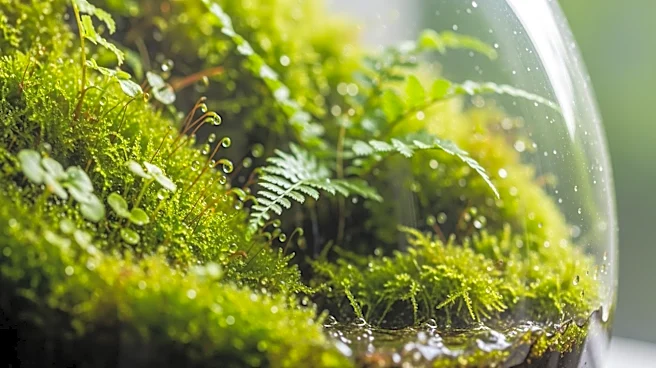
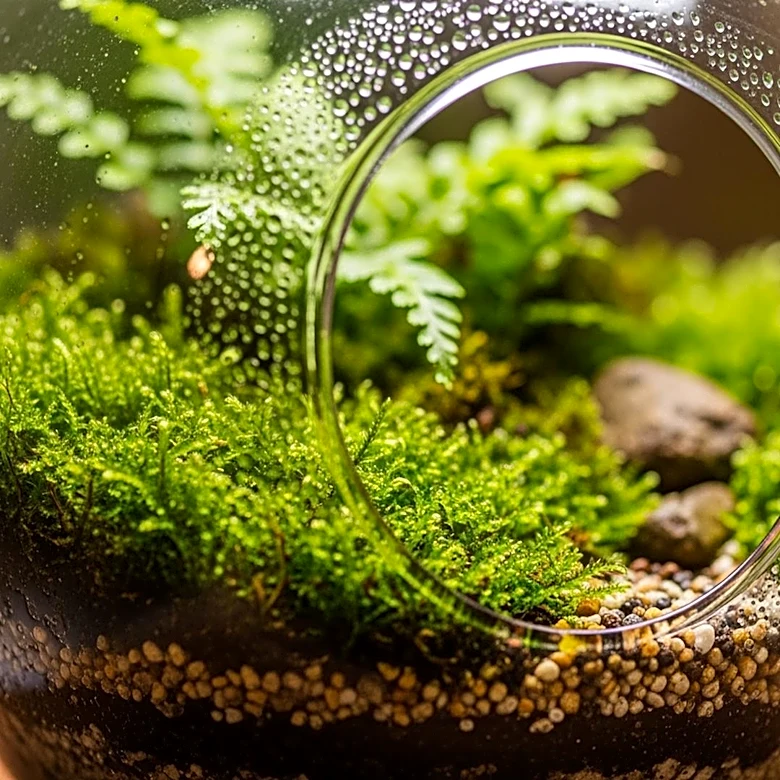
Terrariums, on the other hand, are designed for land habitats and can house a variety of lifeforms, including plants, fungi, and small animals. They are distinct from simple plant pots or animal cages due to their ability to maintain specific temperature and humidity levels. Terrariums can be further divided based on the biome they replicate, such as rainforest or desert environments.
Semi-Aquatic and Specialized Vivariums
Some vivariums are designed to accommodate species that require both land and water environments. A paludarium, for example, is a semi-aquatic enclosure with water below and aerial space above, suitable for semi-aquatic plants and animals like tree frogs. Similarly, a riparium combines land and water areas, often used for species that alternate between the two.
Specialized vivariums also exist, such as aviaries for birds and other flying animals, and nocturnal houses for species active at night. These enclosures are designed with specific features to meet the needs of their inhabitants, such as flight space in aviaries and controlled lighting in nocturnal houses.
Environmental Controls in Vivariums
Maintaining the right environmental conditions is crucial in a vivarium. Lighting systems are often used to simulate natural sunlight, which is essential for the health of certain plants and animals. Temperature control is equally important, with various heating methods available to replicate the natural habitat of the species.
Humidity levels are also carefully regulated, as many plants and animals have limited tolerance to moisture variations. Ventilation is necessary to prevent mold and bacteria growth, ensuring a healthy environment for the vivarium's inhabitants. These controls allow vivariums to provide a stable and supportive environment for the study and enjoyment of diverse lifeforms.