



The pegan diet, a term coined by Dr. Mark Hyman, represents a unique fusion of paleo and vegan dietary principles. This diet aims to combine the best aspects of both eating styles to promote health and wellness. While it has gained popularity, it has also faced criticism for its restrictive nature. This article delves into the core components of the pegan diet, its potential benefits, and the controversies surrounding it.
Core Components of the Pegan Diet
The pegan diet emphasizes
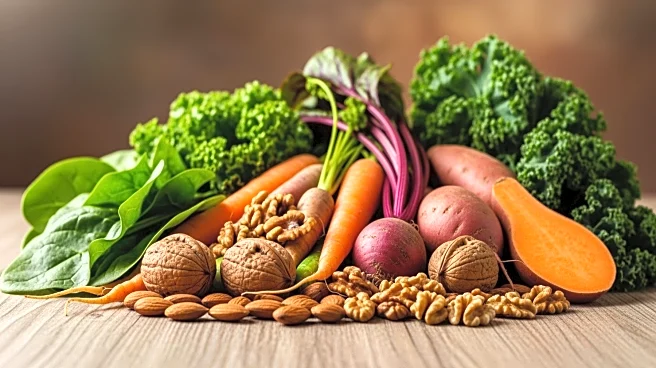
a plant-rich approach, with about 75% of the diet consisting of plant foods. This includes a wide variety of non-starchy vegetables, which are encouraged for their nutrient density and low glycemic impact. Fruits are also part of the diet, but are limited to low-glycemic options like berries to avoid spikes in blood sugar levels.
In addition to plant foods, the pegan diet incorporates elements from the paleo diet, such as grass-fed organic meats and low-mercury fish. These animal products are included for their high-quality protein and omega-3 fatty acids, which are believed to support heart health and reduce inflammation. The diet also allows for occasional consumption of organic goat or sheep milk products, such as yogurt and cheese, while avoiding cow's milk.
Potential Benefits of the Pegan Diet
Proponents of the pegan diet argue that it offers several health benefits by combining the strengths of both paleo and vegan diets. The emphasis on whole, unprocessed foods aligns with mainstream nutrition advice, which advocates for a diet rich in vegetables and healthy fats. The inclusion of omega-3 fatty acids from fish and plant sources is thought to support cardiovascular health and cognitive function.
The diet's focus on low-glycemic foods may also help in managing blood sugar levels, making it potentially beneficial for individuals with insulin resistance or type 2 diabetes. By avoiding refined sugars and processed carbohydrates, the pegan diet aims to reduce the risk of obesity and related metabolic disorders.
Controversies and Criticisms
Despite its potential benefits, the pegan diet has been criticized for its restrictive nature. Critics argue that the diet's limitations on beans and whole grains may lead to deficiencies in essential nutrients like magnesium, iron, and calcium. These foods are typically associated with health benefits, including reduced risks of cardiovascular disease and cancer.
Some dietitians have labeled the pegan diet as a fad, questioning the scientific basis for its restrictive rules. The diet's high cost, due to the emphasis on organic and grass-fed products, may also make it inaccessible for individuals with lower incomes. Additionally, the diet's complexity and numerous rules may make it difficult for some people to follow long-term.
Overall, while the pegan diet offers an interesting approach to combining paleo and vegan principles, it is important for individuals to consider their own nutritional needs and consult with healthcare professionals before making significant dietary changes.