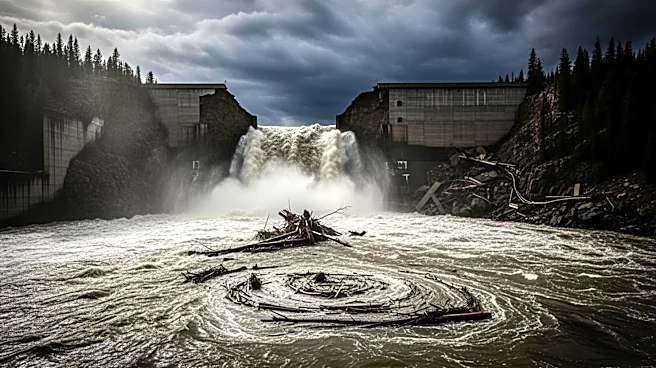




The Johnstown Flood of 1889, also known as the Great Flood, was a devastating event that struck Johnstown, Pennsylvania, on May 31, 1889. This disaster was triggered by the catastrophic failure of the South Fork Dam, which released a massive volume of water into the Little Conemaugh River, leading to widespread destruction and loss of life. The flood remains one of the deadliest in U.S. history, with significant impacts on the community and the nation.
The Build-Up to Disaster
The South Fork Dam, located 14 miles upstream of Johnstown, was originally constructed between 1838 and 1853 as part of a canal system. However, as railroads became the dominant mode of transportation, the canal system was abandoned, and the dam was sold to private interests. The South Fork Fishing and Hunting Club, composed of wealthy industrialists, purchased the dam and made modifications that ultimately compromised its integrity.
In the days leading up to the flood, the region experienced several days of heavy rainfall, which significantly increased the water level in Lake Conemaugh, the reservoir behind the dam. Despite the rising water levels, the dam's owners failed to take adequate measures to prevent a breach. On the morning of May 31, 1889, the dam began to show signs of imminent failure, but efforts to reinforce it were unsuccessful.
The Flood Unleashed
At approximately 2:50 p.m., the South Fork Dam gave way, releasing 14.55 million cubic meters of water. The floodwaters surged downstream with a force comparable to the Mississippi River, obliterating everything in their path. The first town to be hit was South Fork, where residents managed to escape to higher ground, but the flood continued its destructive course.
As the floodwaters approached Johnstown, they picked up debris, including trees, houses, and even railroad cars. The Conemaugh Viaduct briefly held back the torrent, but it soon collapsed, allowing the flood to regain momentum. When the waters reached Johnstown, they were traveling at speeds of up to 40 miles per hour, reaching heights of 60 feet in some areas.
Aftermath and Impact
The Johnstown Flood claimed the lives of 2,208 people, making it the deadliest flood in U.S. history at the time. The destruction was immense, with 1,600 homes destroyed and four square miles of downtown Johnstown obliterated. The flood also caused significant damage to the Cambria Iron and Steel facilities, a major employer in the area.
In the wake of the disaster, the American Red Cross, led by Clara Barton, launched a major relief effort, providing aid to the survivors. The flood also led to changes in American tort law, as survivors' attempts to hold the dam's owners accountable were unsuccessful, highlighting the need for stricter liability standards in cases of industrial negligence.