




In astrology, planets are more than just celestial bodies; they are symbols of fundamental drives and influences that shape human experiences. Each planet carries its own unique symbolism and associations, which are expressed through the zodiac signs and houses. This article explores the symbolic meanings of astrological planets and their roles in shaping astrological interpretations.
The Classical Planets and Their Symbolism
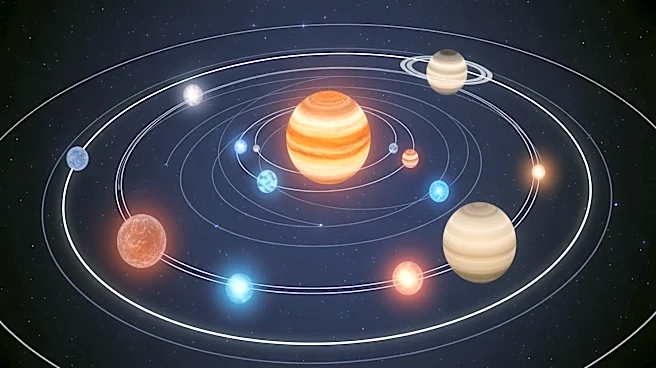
The seven classical planets, visible to the naked eye, have been
central to astrological practices since ancient times. These include the Moon, Mercury, Venus, Sun, Mars, Jupiter, and Saturn. Each planet is associated with specific qualities and influences. For instance, the Sun represents the conscious ego, personal power, and creativity, while the Moon is linked to intuition, emotions, and the subconscious.
Mercury, known for its speed, symbolizes communication, adaptability, and reasoning. Venus, the goddess of love, is associated with harmony, beauty, and relationships. Mars, the god of war, represents aggression, energy, and ambition. Jupiter, the king of gods, symbolizes growth, expansion, and prosperity. Saturn, the god of agriculture, is linked to discipline, responsibility, and limitations.
Modern Planets and Their Interpretations
With the discovery of new planets, astrology has expanded to include Uranus, Neptune, and Pluto. These modern planets are often associated with broader societal influences. Uranus, known for its unconventional orbit, symbolizes ingenuity, progress, and sudden changes. Neptune, with its deep blue color, is linked to dreams, idealism, and collective consciousness.
Pluto, the god of the underworld, represents transformation, power, and renewal. These planets are considered to have generational impacts, influencing entire societies rather than individuals. Their discovery has added new dimensions to astrological interpretations, reflecting the evolving nature of astrology.
The Role of Aspects and Houses
In astrology, planets are not only associated with zodiac signs but also with houses and aspects. The houses represent different areas of life, such as career, relationships, and personal growth. Each planet's position in a house influences how its symbolic qualities manifest in an individual's life.
Aspects, the angles formed between planets, further refine astrological interpretations. They indicate how planets interact with each other, highlighting areas of harmony or tension. For example, a conjunction between Mars and Venus might suggest a strong drive for passionate relationships, while a square between Saturn and the Moon could indicate emotional challenges.
Astrological planets, with their rich symbolism and associations, continue to be a vital part of astrological practice. They offer insights into human behavior and experiences, bridging the gap between ancient beliefs and modern interpretations.