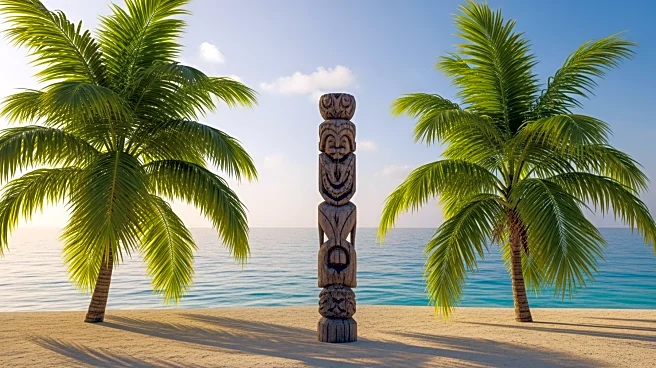

The National Park of American Samoa is not only a haven for biodiversity but also a site of immense cultural and historical importance. Established in 1988, the park spans three islands—Tutuila, Ofu, and Taʻū—and
serves as a living testament to the rich Samoan culture and traditions. This article explores the cultural significance of the park and its role in preserving the heritage of American Samoa.
Historical Background
The park's establishment marked a significant milestone in the conservation of American Samoa's natural and cultural heritage. The idea for the park was first introduced in 1984 by Delegate Fofō Iosefa Fiti Sunia, who sought to protect the habitat of the flying fox and the ancient rainforest. The park was officially established on October 31, 1988, following a 50-year lease agreement with the Samoan village councils.
The park's creation was a collaborative effort between the local communities and the U.S. National Park Service, reflecting the importance of preserving both the natural environment and the cultural traditions of the Samoan people. The park's establishment has helped safeguard the unique cultural practices and historical sites found within its boundaries.
Cultural Practices and Traditions
The National Park of American Samoa is deeply intertwined with the cultural practices of the Samoan people. The park's ecosystems provide resources that are integral to traditional Samoan life, including materials for crafts, food, and medicine. The Samoan culture is characterized by a strong connection to the land, and the park plays a vital role in maintaining this relationship.
Traditional Samoan governance, known as fa'amatai, is based on communal land ownership and the leadership of matai (chiefs). The park's land is managed in accordance with these principles, ensuring that the cultural heritage of the Samoan people is respected and preserved. The park also serves as a venue for cultural events and ceremonies, further strengthening the bond between the land and the people.
Educational and Cultural Programs
The National Park of American Samoa offers various educational and cultural programs aimed at promoting awareness and appreciation of Samoan culture. These programs include guided tours, cultural workshops, and community events that highlight the park's historical and cultural significance.
The park's visitor center provides information on the cultural history of American Samoa, offering insights into the traditional practices and beliefs of the Samoan people. By fostering a deeper understanding of the park's cultural heritage, these programs contribute to the preservation of Samoan traditions for future generations.