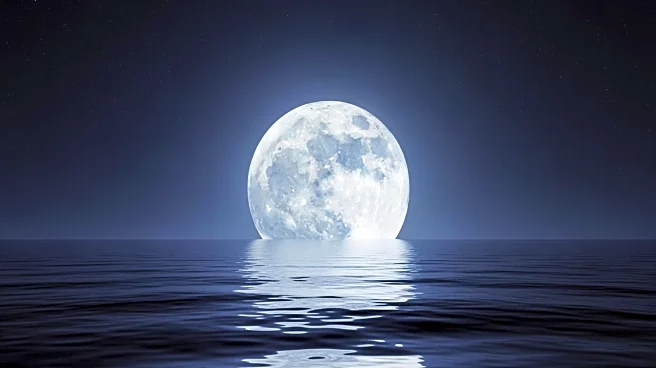

Supermoons are a captivating astronomical event that draws the attention of skywatchers and photographers worldwide. Occurring when the Moon is at its closest point to Earth, supermoons appear larger and brighter
than usual, creating a stunning visual spectacle. Beyond their scientific significance, supermoons have cultural and symbolic meanings that have intrigued humans for centuries.
Visual Impact
The visual impact of a supermoon is undeniable. When the Moon is at perigee, its closest approach to Earth, it appears up to 14% larger in diameter and 30% brighter than when it is at apogee, its farthest point. This increased size and brightness make supermoons a popular subject for photographers and skywatchers, who often capture breathtaking images of the Moon rising or setting against iconic landscapes.
The phenomenon of the Moon illusion, where the Moon appears larger near the horizon, is particularly pronounced during a supermoon. This optical illusion adds to the visual appeal, making the Moon seem even more impressive as it rises or sets. The combination of the supermoon's natural brightness and the illusion creates a memorable experience for observers.
Cultural and Symbolic Significance
Throughout history, the Moon has held cultural and symbolic significance in various societies. Supermoons, with their enhanced visual presence, have often been associated with myths and folklore. In some cultures, supermoons are believed to influence human emotions and behaviors, although scientific evidence for these claims is lacking.
The term 'supermoon' itself originates from astrology, where it is thought to have an impact on personal and global events. While these beliefs are not scientifically supported, they contribute to the mystique surrounding supermoons. The event is often seen as a time of heightened energy and transformation, inspiring rituals and celebrations in different cultures.
Observing Supermoons
Supermoons provide an excellent opportunity for both amateur and professional astronomers to observe the Moon in detail. The increased brightness and size make it easier to see lunar features such as craters and maria. Observing a supermoon can be a communal experience, with people gathering to watch the Moon rise or set, sharing the wonder of the celestial event.
For photographers, supermoons offer a chance to capture stunning images that highlight the Moon's beauty against various backdrops. Whether it's a city skyline or a natural landscape, the supermoon adds a dramatic element to any scene, making it a favorite subject for creative expression.
In summary, supermoons are more than just an astronomical event; they are a cultural and visual phenomenon that captivates people around the world. Their significance extends beyond science, touching on the realms of art, culture, and personal belief.