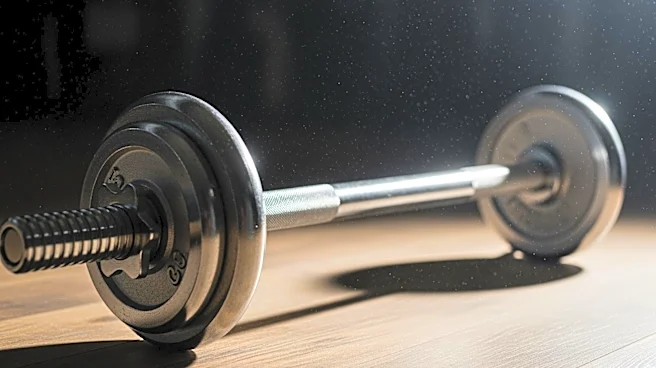







The bent-over row is a staple in weight training, known for its effectiveness in targeting back muscles. This exercise can be performed using different equipment and techniques, making it a versatile choice for both bodybuilding and powerlifting enthusiasts. By understanding the various forms and the muscles they engage, individuals can tailor their workouts to meet specific fitness goals.
Variations of the Bent-Over Row
The bent-over row can be executed in several ways, each offering unique benefits. The two-arm barbell bent-over row is a classic version where both arms lift a barbell to the stomach while maintaining a straight back. This form emphasizes the use of a pronated grip. Alternatively, the two-arm dumbbell bent-over row replaces the barbell with dumbbells, allowing for greater range of motion and muscle engagement.Another popular variation is the Pendlay row, named after Glenn
Pendlay. This version requires the back to be parallel to the ground, lifting the barbell from the floor. Some lifters prefer standing on an elevated surface to achieve a better stretch. The Yates row, named after Dorian Yates, uses an underhand grip and a slightly more upright torso, targeting different muscle groups.
Targeted Muscles and Techniques
The bent-over row primarily targets the back muscles, but the specific muscles engaged can vary based on the form used. For instance, keeping the elbows close to the torso targets the latissimus dorsi, assisted by the lower trapezius fibers. This technique reduces the workload on the lower back by pulling the mass closer to the pelvis.In contrast, bringing the elbows outward emphasizes the transverse extensors, such as the posterior deltoid muscle fibers and the infraspinatus and teres minor of the rotator cuff. This form increases the demands on the lower back as the weight is pulled further from the pelvis. Additionally, rowing at a 45-degree angle can involve the lateral deltoid alongside the posterior delts, similar to lateral raises.
Safety Considerations
Safety is paramount when performing the bent-over row. Proper form is crucial to prevent injury, especially for beginners. Keeping the abs tense supports the back, while allowing a bend in the knees lowers the center of gravity and reduces hamstring stretch. Maintaining a slight arch in the spine promotes a healthy lower back.Starting with lower weights helps build endurance in the lower back and upper pulling muscles. Performing the exercise with a slow tempo and avoiding jerking movements ensures stricter attention to form, preventing momentum from compromising the lift. Supervision by an experienced lifter can be beneficial for those new to the exercise.