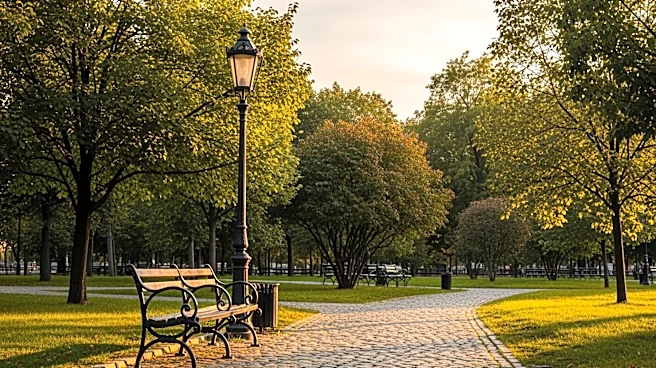







Madison Square Park, a notable public space in Manhattan, New York, has a rich history that dates back to the mid-19th century. This park, named after the fourth President of the United States, James Madison, has undergone significant changes since its inception. From its opening in 1847 to the relocation of its iconic fountain in 1867, Madison Square Park has been a central part of New York City's urban landscape.
The Opening of Madison Square Park
Madison Square Park officially opened
to the public in 1847. This marked the beginning of its role as a vital green space in the bustling city of New York. The park was part of a broader movement during the 19th century to create public parks that would offer city dwellers a respite from urban life. The establishment of Madison Square Park was a significant milestone in the development of public spaces in New York City, reflecting the city's growth and the increasing importance of urban planning.
The park's location, bordered by Madison Avenue, East 26th Street, and East 23rd Street, made it easily accessible to the public. Its design and layout were intended to provide a serene environment amidst the city's hustle and bustle. Over the years, Madison Square Park has continued to serve as a gathering place for New Yorkers, offering a space for relaxation and recreation.
The Relocation and Rededication of the Fountain
One of the key features of Madison Square Park is its fountain, which has its own unique history. Originally located on the site of the Old Post Office, the fountain was completed in 1843. It was later relocated to Madison Square Park and rededicated on June 28, 1867. This move was part of a broader effort to enhance the park's aesthetic appeal and provide a focal point for visitors.
The fountain, made of North Jay granite, is an example of the ornamental design popular in the 19th century. Its relocation to Madison Square Park was a significant event, symbolizing the park's importance as a public space. The fountain has since become a beloved feature of the park, with its surrounding urns planted with flowers in the summer and other plants during the holiday season.
Madison Square Park's Continued Legacy
Throughout its history, Madison Square Park has remained a vital part of New York City's cultural and social fabric. The park has witnessed numerous events and changes, reflecting the city's dynamic nature. Its continued existence and maintenance demonstrate the enduring value of public parks in urban environments.
Today, Madison Square Park continues to be a cherished green space for New Yorkers and visitors alike. Its historical significance and ongoing role as a community hub highlight the importance of preserving such spaces for future generations. As the city evolves, Madison Square Park stands as a testament to the enduring need for public parks in urban settings.