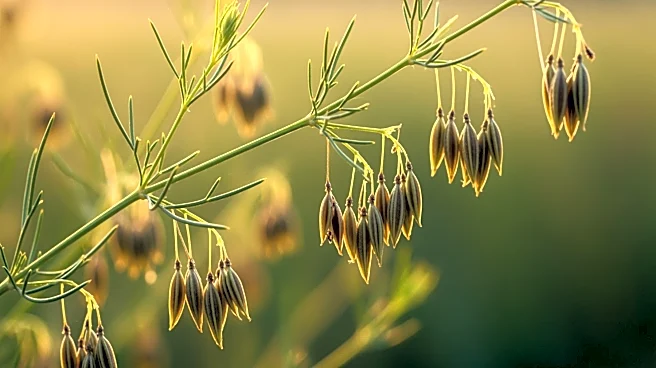





Cumin, a spice derived from the seeds of the Cuminum cyminum plant, is a vital ingredient in many cuisines worldwide. Its cultivation and production are crucial to meeting the global demand for this popular spice. This article delves into the methods and conditions required for growing cumin, as well as the regions where it is predominantly produced.
Ideal Growing Conditions
Cumin is a drought-tolerant crop that thrives in tropical and subtropical climates. It requires a long,
hot summer of three to four months for optimal growth. The ideal temperature range for cumin cultivation is between 77 and 86 degrees Fahrenheit. Cumin is vulnerable to frost, and its growth season spans 120 frost-free days, making the Mediterranean climate particularly suitable for its cultivation.
The plant prefers fertile, sandy, loamy soils with good aeration and proper drainage. The soil's pH should range from 6.8 to 8.3 for optimal growth. Cumin seedlings are sensitive to salinity, and emergence from heavy soils can be challenging. Therefore, proper seedbed preparation is crucial for successful cultivation. The seeds are sown at a depth of 1 to 2 centimeters, with a recommended sowing density of around 120 plants per square meter.
Major Cumin-Producing Regions
India is the world's largest producer of cumin, accounting for approximately 70% of global production. Other significant producers include Syria, Turkey, the United Arab Emirates, and Iran. In India, cumin is sown from October to early December, with harvesting beginning in February. In Syria and Iran, sowing occurs from mid-November to mid-December, with harvesting in June and July.
The plant's adaptability to various climates and its drought tolerance have facilitated its cultivation in diverse regions. Cumin is also grown in Northern Africa, Mexico, Chile, and China, further expanding its global reach. The spice's widespread cultivation ensures a steady supply to meet the demands of international markets.
Challenges in Cumin Cultivation
Cumin cultivation faces several challenges, including susceptibility to fungal diseases such as Alternaria blight and Fusarium wilt. These diseases can lead to significant yield losses, with Fusarium wilt causing up to 80% reduction in crop yield. Cumin is also vulnerable to pests like aphids and mites, which can damage the plants and reduce seed formation.
Weed competition is another issue, as cumin's slow growth and short stature make it susceptible to being overshadowed by weeds. Effective weed management, including hoeing and weeding sessions, is essential to ensure healthy crop growth. Despite these challenges, cumin remains a valuable crop due to its high demand and versatility in culinary applications.
The cultivation and production of cumin are integral to maintaining its status as a staple spice in kitchens worldwide. By understanding the growing conditions and challenges faced by cumin producers, we can appreciate the efforts involved in bringing this beloved spice to our tables.