

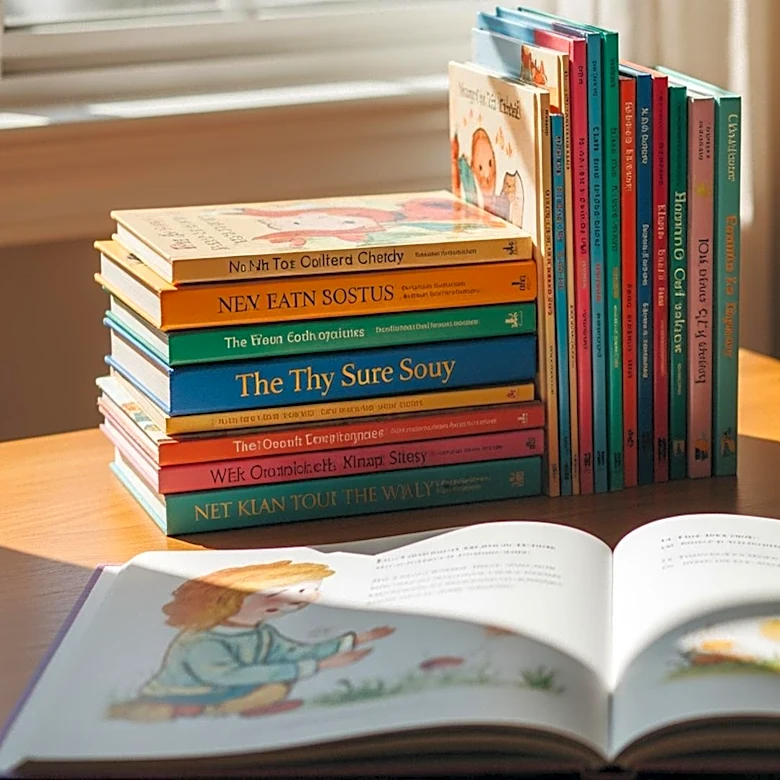




The maternal bond is a profound connection that forms between a mother and her child. This bond can begin during pregnancy and continue to evolve throughout the child's life. While often associated with biological mothers, this bond can also develop in adoptive or blended families. The process of forming a maternal bond is influenced by a variety of physical and emotional factors, and it can take different forms and timelines for different individuals.
Pregnancy and the Initial Bond
The maternal bond often begins to develop during pregnancy. As the mother adapts her lifestyle to accommodate the needs of the developing infant, she may start to feel a connection to her unborn child. This connection can be strengthened by physical experiences such as feeling the fetus move or seeing the baby during an ultrasound. By the seventh month of pregnancy, a significant number of women report feeling a strong bond with their unborn child.
However, not all mothers experience this bond immediately. Some may not feel a close connection due to various reasons, such as an unplanned pregnancy. These mothers might be more susceptible to postpartum depression and may face challenges in forming a bond with their child after birth. The development of the maternal bond is a unique journey for each mother, influenced by her personal circumstances and experiences.
Childbirth and Strengthening the Bond
Childbirth is a pivotal moment that can significantly strengthen the maternal bond. The experience of bringing a child into the world can create a deep emotional connection between mother and child. However, certain factors can weaken this bond, such as a traumatic birth experience, lack of support, or socioeconomic challenges.
Physical contact is crucial in building a strong bond, especially for infants who require hospital care and have limited opportunities for contact. Parents can still foster a bond through skin-to-skin contact, cuddling, and other forms of physical interaction. These activities are particularly effective in promoting bonding, even in challenging circumstances.
The Role of Oxytocin and Emotional Bonding
Oxytocin, often referred to as the "love hormone," plays a significant role in the maternal bonding process. It is produced during childbirth and lactation, promoting bonding behaviors and reducing anxiety. While the role of oxytocin in bonding is widely accepted, some researchers have disputed its effects.
Breastfeeding is another important factor in fostering the maternal bond. The physical closeness and mutual gazing during breastfeeding can enhance the emotional connection between mother and child. This interaction stimulates bonding and helps establish a strong, nurturing relationship.
The maternal bond is a dynamic and evolving relationship that can be influenced by a variety of factors. Understanding these influences can help mothers navigate the complexities of bonding with their children, whether biological or adopted.