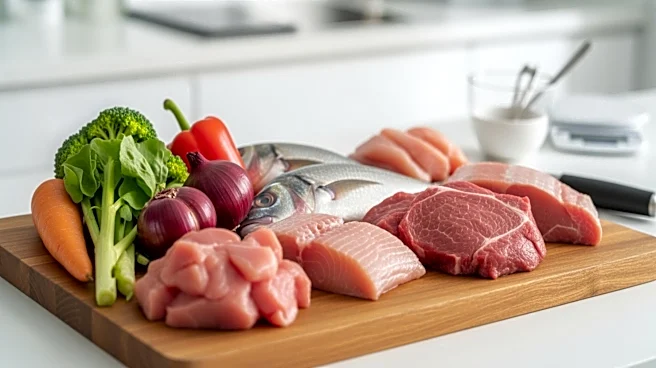









Raw feeding, while popular among some pet owners, presents significant nutritional challenges that must be addressed to ensure the health and well-being of pets. The practice involves feeding uncooked meat, bones, and organs, but it can lead to nutritional imbalances if not carefully managed.
Nutritional Imbalances in Raw Diets
One of the main concerns with raw feeding is the potential for nutritional imbalances. Raw diets may lack essential vitamins and minerals, leading to deficiencies
that can affect a pet's health. For example, raw diets often struggle to provide an adequate calcium-to-phosphorus ratio, which is crucial for bone health.
Calcium is primarily found in bones, but feeding bones can pose risks such as dental damage or gastrointestinal blockages. Phosphorus, on the other hand, is available in many food sources, but finding foods that provide sufficient amounts of calcium without excess phosphorus can be challenging. This makes it difficult for pet owners to create a balanced homemade raw diet without the analysis techniques available to commercial food producers.
Essential Fatty Acids and Skin Health
Raw diets often focus on promoting healthy skin and coat through the supplementation of essential fatty acids. Omega-6 and omega-3 fatty acids are particularly important for normal skin function and appearance. These fatty acids are supplemented in excess of the Association of American Feed Control Officials (AAFCO) requirements to improve coat sheen and skin health.
While fatty acids play a vital role in cell structure and function, ensuring that pets receive the right balance of these nutrients is crucial. Omega-6 fatty acids, such as linoleic acid, are important for skin barrier function, while omega-3 fatty acids help reduce inflammation and protect against UV damage.
Protein Availability and Processing
Another challenge with raw feeding is ensuring adequate protein availability. When commercial pet food is processed, ingredients are exposed to high temperatures, which can lead to the Maillard reaction. This reaction binds reducing sugars to amino acids, making them unavailable to the animal.
Lysine, an essential amino acid, is particularly affected by this reaction. It plays a major role in protein synthesis and other bodily functions. Raw feeding advocates argue that raw diets avoid this issue, but pet owners must still ensure that their pets receive all necessary nutrients.
Overall, raw feeding requires careful planning and consideration to avoid nutritional deficiencies. Pet owners should consult with veterinarians or animal nutritionists to ensure that their pets receive a balanced diet that meets their specific needs.