




Mary Dixon Kies holds a significant place in history as one of the first women to receive a U.S. patent. Her achievement in 1809 marked a pivotal moment for women in the field of invention, a domain predominantly occupied by men at the time. Kies' contribution not only advanced the hat-making industry but also paved the way for future female inventors.
Breaking Barriers in Patent History
Before the Patent Act of 1790, women were not allowed to apply for patents in the United States.
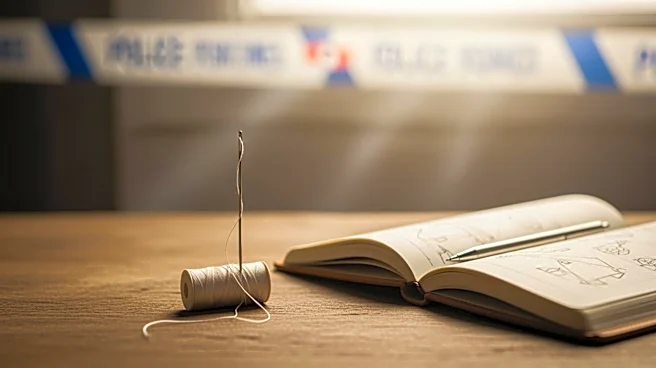
This act changed the landscape by allowing "any person or persons" to apply for a patent, opening the door for women like Mary Dixon Kies. Despite this legal change, societal norms still posed significant barriers. Kies' patent for a new technique of weaving straw with silk and thread to make hats was a groundbreaking achievement, as it was one of the first patents granted to a woman in her own name.
The significance of Kies' patent is underscored by the fact that it was signed by President James Madison. This official recognition not only validated her work but also highlighted the importance of her invention in the context of the U.S. economy, which was seeking to bolster domestic manufacturing during the Napoleonic Wars.
The Impact of Kies' Invention
Kies' invention came at a time when the United States had embargoed trade with France and Great Britain, creating a demand for American-made goods. Her technique of weaving straw with silk and thread produced hats that were both durable and cost-effective, filling a crucial gap in the market. This innovation was particularly beneficial to the hat-making industry, which thrived even during the War of 1812.
Despite the success of her invention, Kies did not profit significantly from it. Changes in fashion trends eventually rendered her technique obsolete, and she died penniless. However, her contribution to the industry and her role as a pioneer for women inventors remain significant.
Legacy and Recognition
Mary Dixon Kies' legacy extends beyond her invention. Her courage to apply for a patent in her own name set a precedent for future generations of women inventors. In recognition of her contributions, Kies was inducted into the National Inventors Hall of Fame in 2006. This honor reflects her enduring impact on the field of invention and her role in breaking gender barriers.
Today, Kies is remembered not only for her technical innovation but also for her role in advancing the rights and recognition of women in the field of invention. Her story serves as an inspiration, highlighting the importance of perseverance and innovation in the face of societal challenges.