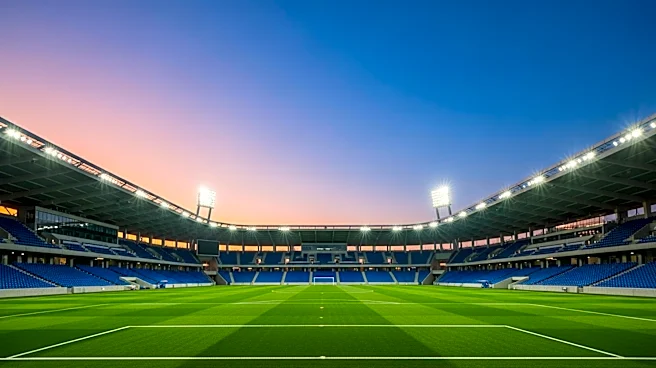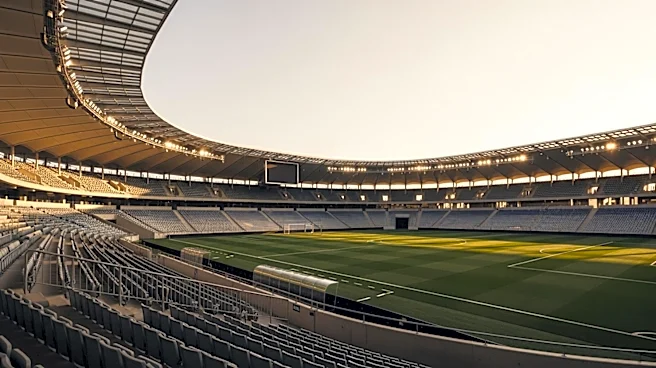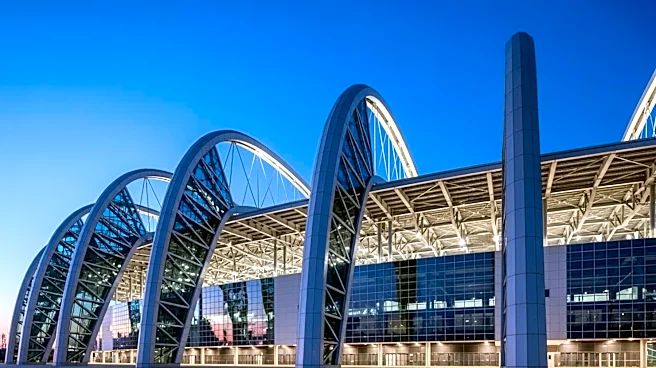



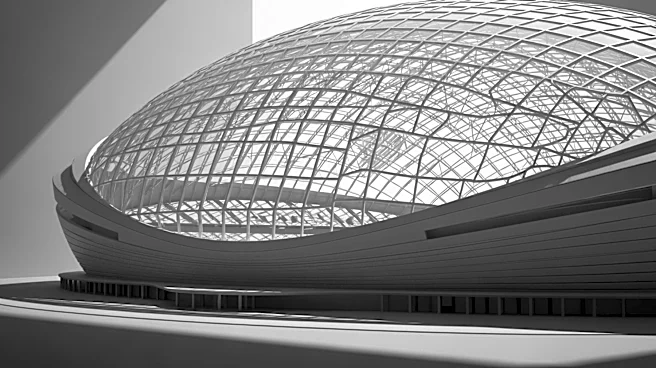


Estadio Corregidora stands as a testament to architectural ingenuity and international collaboration. Located in Querétaro City, Mexico, this stadium is not only a hub for sports and entertainment but also a symbol of modern design. Built in 1985, it was a joint effort between Mexican and European partners, showcasing a blend of cultural influences. This article delves into the architectural features and construction history of this iconic venue.
Design and Construction
The construction of Estadio Corregidora was completed in 1985, just in time to serve as a venue for the 1986 FIFA World Cup. The stadium was a product of collaboration between Mexican and European architects, which is evident in its design. The architect behind this project was Luis Alfonso Fernandez, who ensured that the stadium could accommodate a large number of spectators while maintaining safety and comfort.
One of the most remarkable features of Estadio Corregidora is its capacity to safely evacuate all spectators in less than seven minutes, even when filled to its maximum capacity of 34,130. This design consideration highlights the emphasis on safety and efficiency, making it one of the most advanced stadiums of its time. The stadium's field size is 105 by 70 meters, providing ample space for various sporting events.
A Venue for International Events
Estadio Corregidora's design was not only meant for local events but also for international competitions. Its construction was part of Mexico's preparation for hosting the 1986 FIFA World Cup, during which it hosted four matches. This international exposure put Querétaro on the global map and demonstrated the stadium's capability to handle events of such magnitude.
The stadium's design also allows it to host concerts and other large gatherings. Over the years, it has welcomed internationally renowned artists like Rod Stewart, Miguel Bosé, and Shakira, further cementing its status as a versatile venue. The ability to host both sports and entertainment events makes Estadio Corregidora a vital part of Querétaro's cultural landscape.
Legacy and Impact
Since its opening, Estadio Corregidora has been more than just a sports venue; it has become a cultural icon in Querétaro. Named after Josefa Ortiz de Domínguez, a heroine of the Mexican War of Independence, the stadium carries historical significance. It serves as a reminder of the region's rich history and its ongoing contributions to Mexican culture.
The stadium's impact extends beyond sports and entertainment. It has played a role in boosting local tourism and economy by attracting visitors from around the world. As one of the largest football venues in Mexico, it continues to be a source of pride for the people of Querétaro, symbolizing progress and international cooperation.