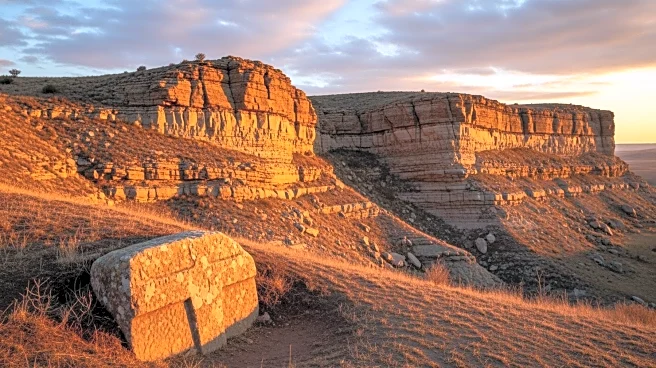




Badlands National Park is not only a geological marvel but also a site of profound cultural and historical significance. Located in southwestern South Dakota, the park has been a part of Native American history for thousands of years. It holds deep cultural meaning for the Oglala Lakota tribe and has witnessed pivotal events in American history.
Native American Heritage
For over 11,000 years, Native Americans have used the Badlands as hunting grounds. The Lakota people, who
named the area makȟóšiča, meaning "bad lands," have a long-standing connection to this region. The name reflects the challenging terrain and harsh conditions that characterize the area.
The Badlands were once part of the Great Sioux Reservation, as established by the 1868 Treaty of Fort Laramie. However, the treaty was broken in 1889, and the land was confiscated by the United States. Despite this, the area remains culturally significant to the Lakota, who view it as a sacred site. The South Unit of the park, co-managed with the Oglala Lakota tribe, includes sites of historical importance, such as locations of the 1890s Ghost Dances.
Historical Events
The Badlands have been the backdrop for significant historical events, including the Ghost Dance movement of the late 19th century. This spiritual movement, which sought to restore Native American lands and way of life, culminated in the tragic Wounded Knee Massacre in 1890. The massacre marked the end of the Indian Wars and had a lasting impact on Native American communities.
In the 20th century, the Badlands were used as a bombing and gunnery range by the United States Air Force during World War II. This military use displaced many Native American families and left a lasting mark on the landscape. Today, the park serves as a reminder of these historical events and their impact on the region and its people.
Preservation and Education
Badlands National Park plays a vital role in preserving the cultural and historical heritage of the area. The park's South Unit, or Stronghold District, is managed in partnership with the Oglala Lakota tribe, ensuring that Native American perspectives are included in the park's interpretation and management.
The park also serves as an educational resource, offering visitors insights into the history and culture of the Lakota people. Through exhibits, guided tours, and educational programs, the park helps to foster a deeper understanding of the region's rich cultural heritage.
Badlands National Park is a place where history and culture converge, offering visitors a chance to connect with the past and appreciate the enduring legacy of the Native American people who have called this land home for millennia.