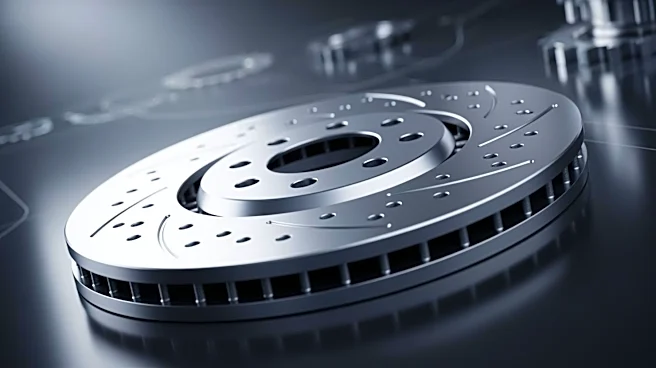




Brake discs, also known as rotors, have become a fundamental component in modern vehicles, providing efficient and reliable braking. Their development over time reflects significant advancements in automotive technology. This article explores the historical journey of brake discs, from their inception to their widespread adoption in the automotive industry.
Early Developments and Innovations
The concept of using friction to slow down a vehicle is not new, but the specific application
of brake discs began to take shape in the early 20th century. Initially, drum brakes were the standard, but they had limitations, particularly in terms of heat dissipation and performance under heavy use. The need for a more efficient braking system led to the exploration of disc brakes.
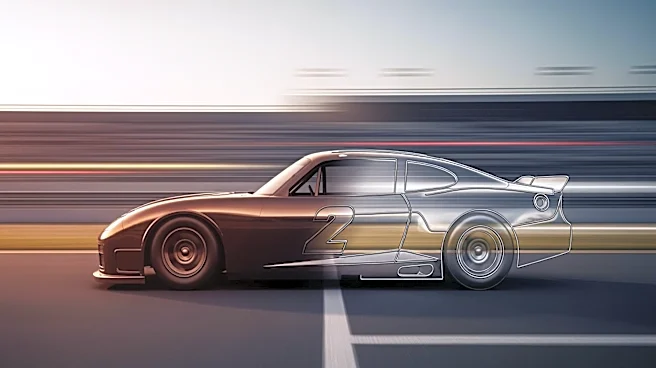
In the 1950s, disc brakes started gaining attention due to their superior performance in racing. Jaguar Cars, for instance, equipped their vehicles with disc brakes and demonstrated their effectiveness at the 24 Hours of Le Mans race in 1953. This marked a turning point, showcasing the potential of disc brakes in providing better stopping power and heat management compared to traditional drum brakes.
Adoption in Passenger Vehicles
Following their success in racing, disc brakes began to be adopted in passenger vehicles. The transition was gradual, as manufacturers needed to address cost and manufacturing challenges. By the 1960s, disc brakes were becoming more common on the front wheels of cars, where most braking force is required. This shift was driven by the need for improved safety and performance, as disc brakes offered more consistent braking under various conditions.
The 1970s and 1980s saw further advancements, with disc brakes being used on all four wheels in many vehicles. This period marked the decline of drum brakes in favor of the more efficient disc systems. The automotive industry recognized the benefits of disc brakes, including reduced brake fade and better performance in wet conditions.
Modern Innovations and Future Prospects
Today, disc brakes are a standard feature in most vehicles, thanks to continuous improvements in materials and design. Modern brake discs are often made from cast iron or ceramic, providing durability and enhanced performance. The integration of advanced technologies, such as anti-lock braking systems (ABS) and electronic stability control, has further enhanced the safety and efficiency of disc brakes.
Looking ahead, the future of brake discs may involve further innovations in materials and design to accommodate the growing demand for electric and hybrid vehicles. As the automotive industry continues to evolve, brake discs will likely remain a critical component, adapting to new challenges and technologies.