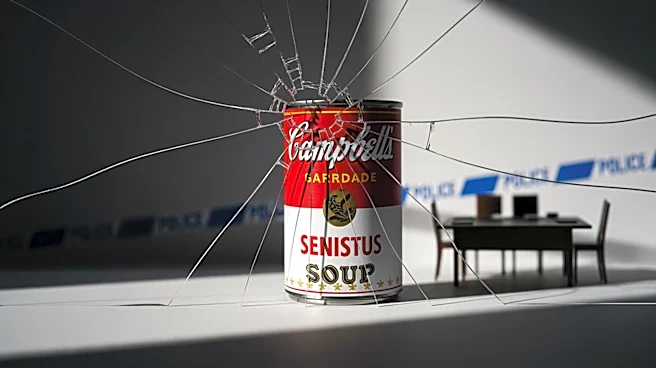




In 1968, the art world was shaken by the attempted assassination of Andy Warhol, a leading figure in the pop art movement. Valerie Solanas, a radical feminist writer, shot Warhol at his studio, The Factory, leaving him critically injured. This event not only threatened Warhol's life but also had a profound impact on his art and personal security measures. The incident marked a significant turning point in Warhol's career, influencing his artistic
output and the way he interacted with the world around him.
The Incident at The Factory
On a fateful day in June 1968, Valerie Solanas entered The Factory, Andy Warhol's famous studio, with a gun. Solanas, known for her radical feminist views, shot Warhol and art critic Mario Amaya. Warhol was critically injured, with the bullet passing through several vital organs, including his lungs, spleen, and liver. Despite the severity of his injuries, Warhol survived the attack, but the physical and psychological scars remained with him for the rest of his life.
The shooting was a shocking event that reverberated throughout the art community. Warhol's studio, The Factory, was a hub of creativity and collaboration, frequented by artists, musicians, and celebrities. The attack disrupted this vibrant environment, leading to increased security measures and a more cautious approach to interactions with the public and fellow artists.
Impact on Warhol's Art
The attempted assassination had a lasting impact on Andy Warhol's art. Before the shooting, Warhol was known for his bold and colorful pop art pieces, often featuring iconic images of celebrities and consumer products. However, after the attack, his work took on a darker and more introspective tone. The physical and emotional trauma he experienced influenced his artistic expression, leading to a shift in themes and subject matter.
Warhol's later works often explored themes of mortality and vulnerability, reflecting his own brush with death. The scars from the shooting became a part of his identity, both personally and artistically. This period of his career is marked by a deeper exploration of the human condition, as Warhol grappled with the fragility of life and the impact of violence.
Changes in Personal and Professional Life
The shooting also prompted significant changes in Warhol's personal and professional life. Prior to the attack, Warhol was known for his open and accessible nature, often welcoming a diverse array of individuals into his studio. However, the incident led to increased security measures and a more guarded approach to his interactions with others.
Warhol's relationships with those around him were also affected. The attack highlighted the potential dangers of fame and the vulnerability that comes with being a public figure. As a result, Warhol became more selective about the people he allowed into his inner circle, prioritizing his safety and well-being.
In conclusion, the attempted assassination of Andy Warhol was a pivotal moment in his life and career. It not only influenced his art but also reshaped his personal and professional relationships. The event serves as a reminder of the complex interplay between art, fame, and personal security, leaving a lasting legacy on Warhol's work and the art world as a whole.