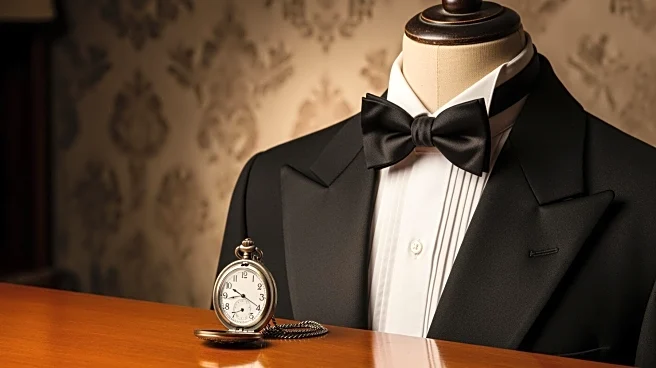




Formal wear, often referred to as full dress, has long been a staple of Western culture, reserved for the most prestigious occasions. From weddings to state dinners, this dress code has evolved significantly over the centuries. Understanding its historical development offers insight into how societal norms and fashion trends have shaped what we consider formal attire today.
The Early Days of Formal Wear
In the 19th century, formal wear began to take shape with the introduction
of the justacorps, a long coat worn with a cravat, breeches, and a tricorne hat. This ensemble was the first proper suit, setting the stage for future developments in formal attire. As the century progressed, the justacorps was replaced by the front cutaway dress coat, which had previously been considered casual country wear. This transition marked a shift towards more structured and formalized clothing for special occasions.
By the 1820s, the frock coat emerged as the standard for formal day wear, replacing the dress coat. This knee-length coat was dark and closed-front, reflecting the somber and dignified nature of formal events. However, the dress coat did not disappear entirely; it was maintained as formal evening wear, evolving into what we now recognize as white tie attire.
The 20th Century and Beyond
The early 20th century saw the introduction of the morning coat, a cutaway coat that became the preferred choice for formal day events. This style eventually replaced the frock coat by the 1920s. Meanwhile, the black tie dinner suit, or tuxedo, emerged as a semi-formal option for evening events, offering a less formal alternative to the white tie dress code.
Despite the counterculture movements of the 1960s, which challenged traditional norms, formal wear has remained largely unchanged in its core elements. The top hat, dress shoes, and evening gowns continue to be staples of formal attire, though fashion trends have introduced variations in style and fabric.
Modern Interpretations and Cultural Influence
Today, formal wear is not only a reflection of Western traditions but also a symbol of cultural exchange. National costumes and ceremonial dresses are often accepted as alternatives to Western formal attire, highlighting the versatility and adaptability of the dress code. This openness to international influences has helped formal wear maintain its relevance in a globalized world.
While the fundamental elements of formal wear have remained consistent, the fashion industry continues to experiment with new designs and materials. This ongoing evolution ensures that formal wear remains a dynamic and integral part of cultural and social events worldwide.