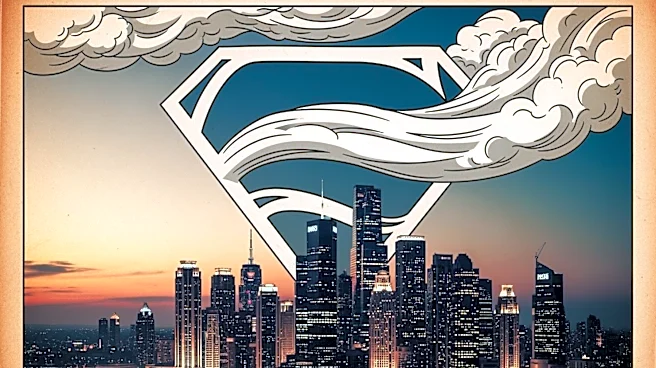

Superman, the brainchild of Jerry Siegel and Joe Shuster, has undergone significant evolution since his creation in 1938. From his humble beginnings in comic strips to becoming a global cultural icon,
Superman's journey reflects the changing landscape of popular culture and society. This article traces the development and evolution of Superman, highlighting key milestones and transformations that have shaped the character over the decades.
The Early Years: Comic Strips and Action Comics
Superman's journey began in the early 1930s when Siegel and Shuster first conceived the character as a villain in a short story. However, they soon reimagined him as a hero, pitching the idea to newspaper syndicates as a comic strip. Despite initial rejections, their persistence paid off when National Allied Publications, a predecessor of DC Comics, decided to feature Superman in their new comic book, Action Comics.
Superman's debut in Action Comics #1 in 1938 marked a turning point in comic book history. The character's success was immediate, with readers captivated by his superhuman abilities and commitment to justice. Superman's early stories established the foundation for the superhero genre, introducing elements such as a secret identity, a distinctive costume, and a mission to protect humanity.
Expanding the Mythos: The Silver and Bronze Ages
As Superman's popularity grew, so did his mythology. The Silver Age of Comics saw the introduction of new characters and concepts, such as Supergirl, the Fortress of Solitude, and various forms of kryptonite. These additions enriched Superman's world, providing new challenges and storylines for the character.
The Bronze Age brought further developments, with a focus on more complex storytelling and character development. Superman's powers were explored in greater depth, and his relationships with other characters, such as Lois Lane and Lex Luthor, were given more attention. This era also saw the introduction of social issues into Superman's stories, reflecting the changing times and adding layers to the character's narrative.
Modern Interpretations and Cultural Impact
In recent years, Superman has continued to evolve, with various adaptations in film, television, and other media. The 1978 film "Superman," directed by Richard Donner, played a significant role in shaping the modern perception of the character. Christopher Reeve's portrayal of Superman as a symbol of hope and justice resonated with audiences, solidifying the character's status as a cultural icon.
Superman's influence extends beyond comics and films, impacting society and inspiring generations of fans and creators. His legacy is evident in the countless superheroes that followed, many of whom share similar traits and ideals. Superman's enduring appeal lies in his ability to adapt to the times while remaining true to his core values of truth, justice, and hope.
In conclusion, Superman's evolution from comic strips to cultural icon is a testament to the character's enduring appeal and significance. As he continues to inspire and captivate audiences worldwide, Superman remains a symbol of hope and justice, reflecting the best of humanity and the power of storytelling.